


As industrial automation and smart manufacturing evolve, Industrial Panel PCs are also undergoing rapid transformation. In the past, most industrial devices used a 4:3 screen ratio, but now an increasing number of manufacturers have moved toward the 16:9 panel PC.
Why has 16:9 become the new standard for industrial computer design? This article explores the reasons from technical, practical, and market perspectives.
What Is a 16:9 Panel PC?
A 16:9 panel PC refers to an industrial computer equipped with a widescreen display panel in a 16:9 aspect ratio. Compared with traditional 4:3 screens, 16:9 offers a broader viewing area, better compatibility with modern industrial software interfaces, and a more intuitive user experience.
With modern Windows 10/11, Linux-based HMI, and SCADA systems increasingly optimized for widescreen layouts, the 16:9 format has naturally become the preferred choice.
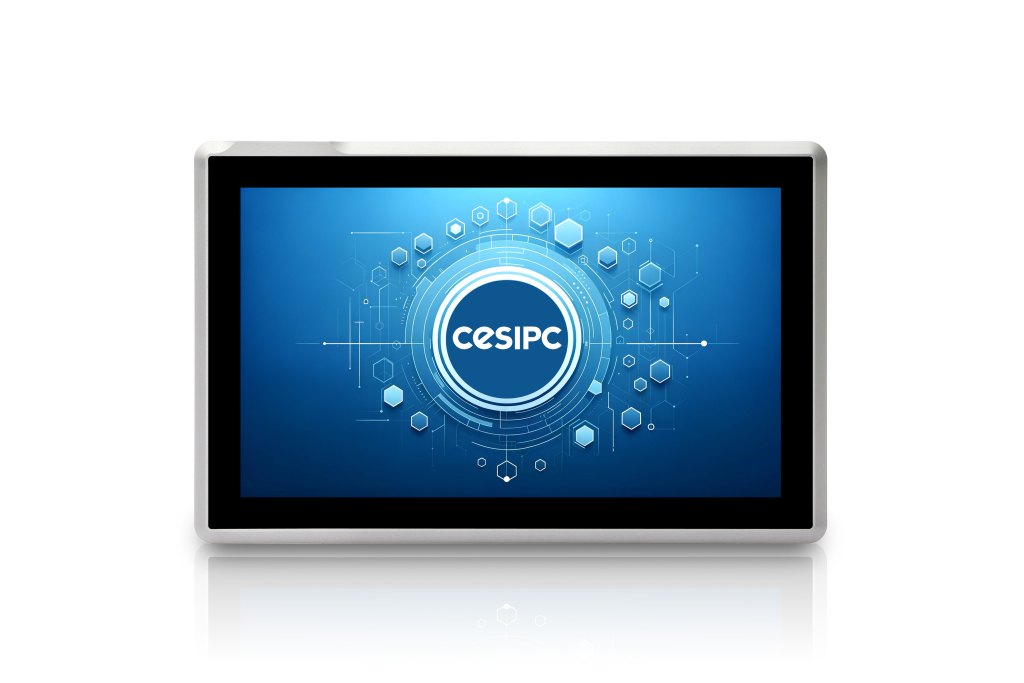
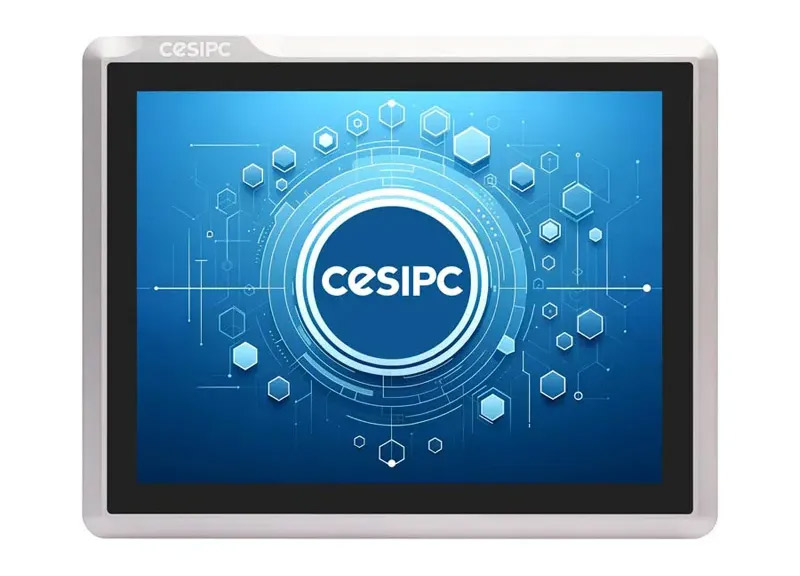
Why 16:9 Has Replaced 4:3
- Wider Visual Space
The 16:9 format allows operators to monitor multiple processes or dashboards simultaneously without frequent switching, which is ideal for multi-line production environments. - Optimized for Modern UI Design
Industrial software interfaces, MES systems, and automation dashboards are now built for widescreen layouts. A 16:9 panel PC prevents display distortion, stretching, or black bars that occur on older 4:3 displays. - Better Compatibility with Industry Standards
Most current display standards — including Full HD (1920×1080) — use the 16:9 aspect ratio. This ensures seamless compatibility between 16:9 panel PCs, video systems, and control interfaces. - Lower Cost and Greater Availability
The global display market has largely transitioned to 16:9 panels, meaning their components are easier to source and more affordable. Manufacturers benefit from a stable supply chain and reduced production costs.
Application Advantages of 16:9 Panel PCs
1. Smart Factory & Production Monitoring
A 16:9 display can show more real-time data and trend graphs, allowing engineers to identify issues faster and make decisions more efficiently.
2. Human-Machine Interface (HMI) Systems
For HMI applications, widescreen layouts make it easier to display control buttons, system statuses, and alarm notifications simultaneously.
3. Logistics & Warehouse Automation
In AGV control systems or warehouse management dashboards, 16:9 panel PCs offer better data visualization and operational efficiency.
4. Medical & Transportation Systems
Medical imaging and traffic monitoring require clear, wide displays to handle complex visual data — another area where the 16:9 design excels.
The Future of 16:9 Panel PCs
As industrial computing moves toward intelligent visualization and edge processing, 16:9 will continue to dominate. The next generation of 16:9 panel PCs will integrate:
- High-brightness touchscreens
- Fanless, rugged designs
- IP65-rated waterproof housings
- 5G and AI edge computing capabilities
These advancements will position the 16:9 panel PC as a central component of future Industrial IoT (IIoT) systems.
Conclusion
The move from 4:3 to 16:9 is more than just a shift in screen ratio — it represents a new era in interface design, user experience, and operational efficiency. With the growing demand for smarter and more connected manufacturing environments, the 16:9 panel PC is set to remain the standard for years to come.
Contact CESIPC Team


We use your details only to answer this enquiry — no newsletters, no sharing. Drawings or a photo of the existing panel can be sent to sales@cesipc.com.