
Pip: Industrial PCs — where the spec sheet is twelve pages long and the wrong answer means a production line stops at 3 a.m.
Mara: CESIPC-Summer has put together a thorough buyer’s guide covering everything from protection ratings and CPU selection to long-term supply considerations. Let’s start with what it actually takes to choose the right industrial panel PC.
Picking the Right Industrial Panel PC
Mara: The buyer’s guide opens with a premise worth sitting with: this is not a decision you make by picking a processor and a screen size. The environment comes first — before specs, before price.
Pip: And the guide is direct about why. It states: “A suitable industrial panel PC should not only meet current application requirements but also provide stable performance throughout the entire equipment lifecycle.”
Mara: That lifecycle framing is the real point. A panel PC isn’t a laptop you replace in three years — it’s embedded in a machine that may run for a decade, so the wrong call early compounds over time.
Pip: So what does “environment first” actually mean in practice? The guide breaks it into a surprisingly wide range of variables — dust, moisture, temperature swings, vibration, and whether the unit will face high-pressure washdown.
Mara: That last one drives the IP rating conversation. IP65 handles dust and water splash for general factory use. IP67 adds tolerance for temporary immersion. IP69K is the tier for food processing and pharmaceutical lines, where high-pressure hot water cleaning is routine.
IP65 Panel PC
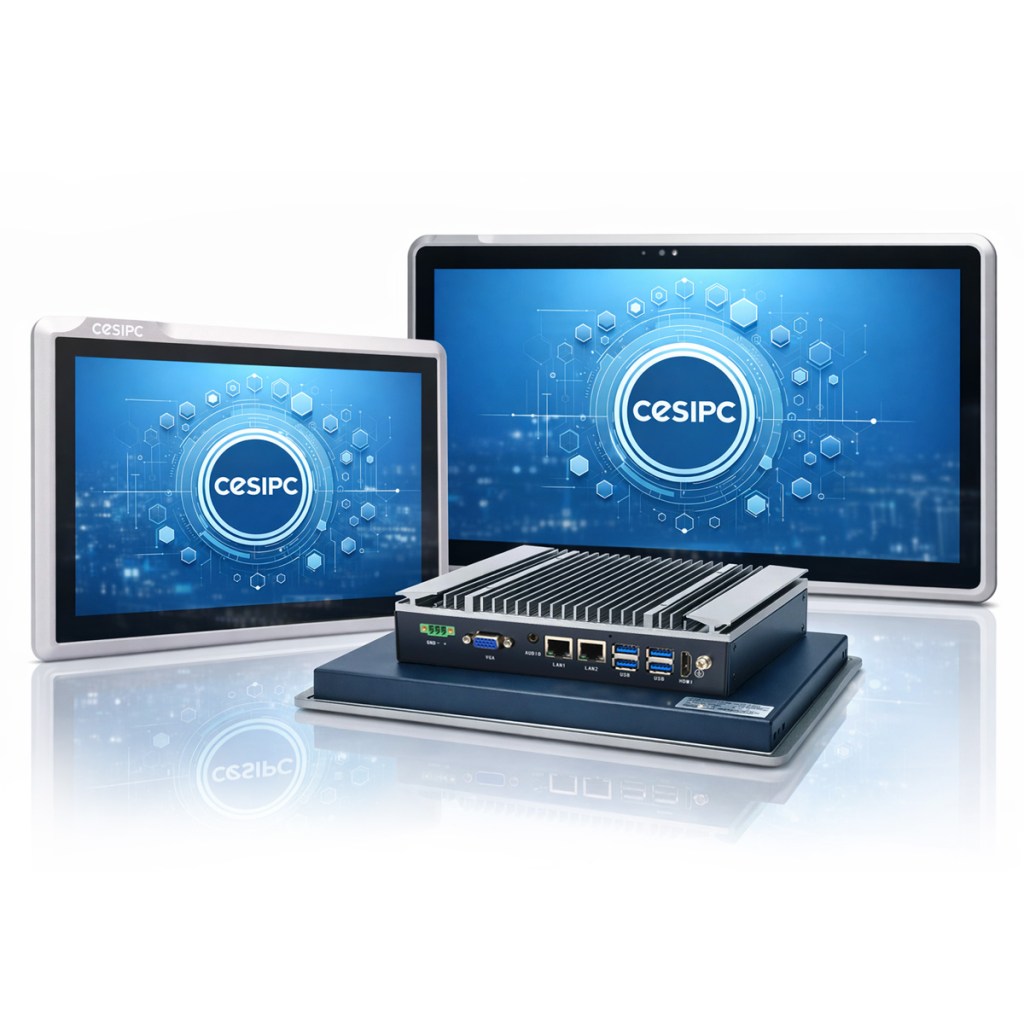

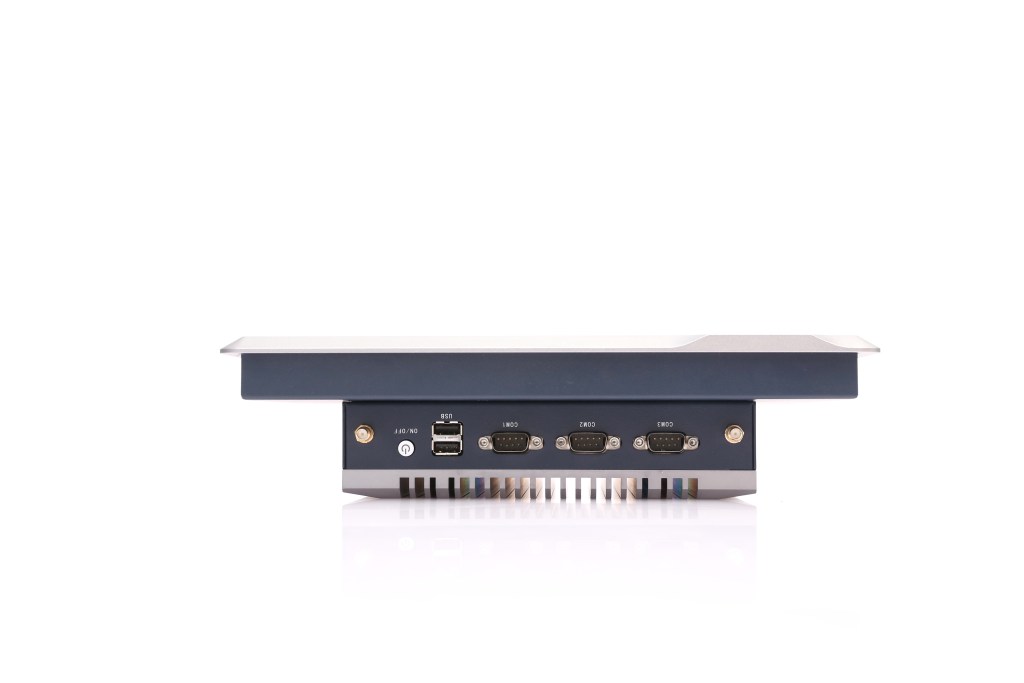
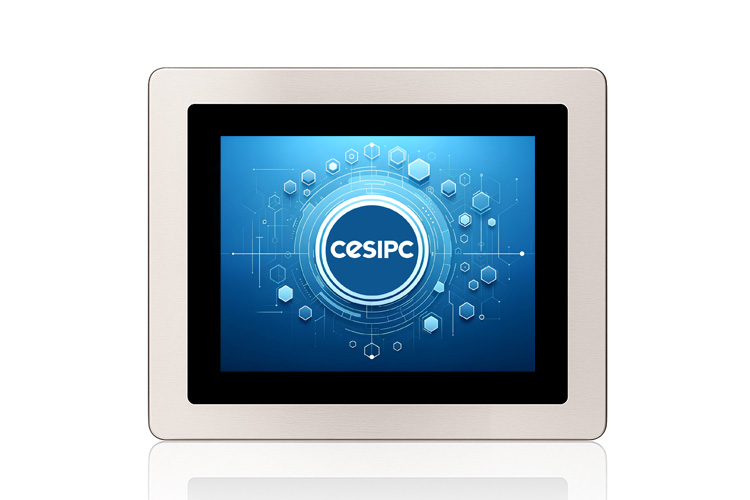
Pip: The stainless steel enclosure detail is where it stops sounding like marketing — SS304 construction isn’t decorative; it’s what survives the cleaning cycle without corroding.
IP67&IP69K Panel PC


Mara: From there, the guide moves to the motherboard, which it flags as one of the most reliability-critical choices. Industrial motherboards differ from commercial ones in long-term component availability, EMC protection, and wider temperature support — factors that matter more over years of continuous operation than raw benchmark numbers.
Pip: CPU selection gets the same treatment — not “more is better” but matched to workload. Basic HMI tasks land on Celeron; machine vision and AI processing warrant a Core i7 or a GPU solution. Overpowering a simple control application just raises cost and heat.
Mara: The guide also walks through I/O requirements — RS232, RS485, CAN bus, GPIO, PoE — and display considerations like brightness levels from 500 to 1500 nits and optical bonding for high-ambient-light environments. The closing section on supplier selection emphasizes long-term availability and customization capability as criteria on equal footing with specs.
Pip: Which makes sense — a discontinued platform mid-project is its own kind of disaster.
Mara: Exactly the kind of risk the guide is designed to help engineers avoid before the purchase order goes out.
Pip: Environment, protection, lifecycle — the through-line is that industrial hardware decisions are long bets, not quick configurations.
Mara: More on how those decisions play out in specific deployments next time.
Talk to a CESIPC Engineer
Our application engineers are ready to help you select the right configuration, discuss ODM requirements, or provide a tailored quotation for your project.
Typical response within 24 hours · Multilingual support · CE / FCC / BIS compliant


We use your details only to answer this enquiry — no newsletters, no sharing. Drawings or a photo of the existing panel can be sent to sales@cesipc.com.