
Pip: Industrial PCs — the computers that run factories, hospitals, and food lines while your laptop struggles with a spreadsheet.
Mara: CESIPC-Summer covers exactly that territory today: what a Panel PC actually is, how it’s built, and where it ends up working.
Pip: Let’s start with the fundamentals — what a Panel PC is and why it exists.
What a Panel PC Is and Why It Matters
Mara: The core question here is simple: what separates a Panel PC from the ordinary computer on your desk, and why does that distinction matter in industrial settings?
Pip: The post puts it plainly — a Panel PC is “an integrated industrial computing system that combines a display unit and embedded computing hardware within a single, sealed enclosure.”
Mara: So the upshot is everything lives in one sealed box: processor, memory, storage, screen. No loose cables, no exposed vents — just one unit rated to survive the environment it’s dropped into.
Pip: And the environments it’s dropped into are not gentle. CNC machine tools, power generation facilities, logistics centers — places where a standard office PC would last about a Tuesday.
Mara: The post details the key features that make that survival possible. Fanless design eliminates moving parts, which means no dust ingestion and no mechanical failure from vibration. The front panel carries an IP65 rating — dustproof and resistant to water splashes.
IP65 Panel PC
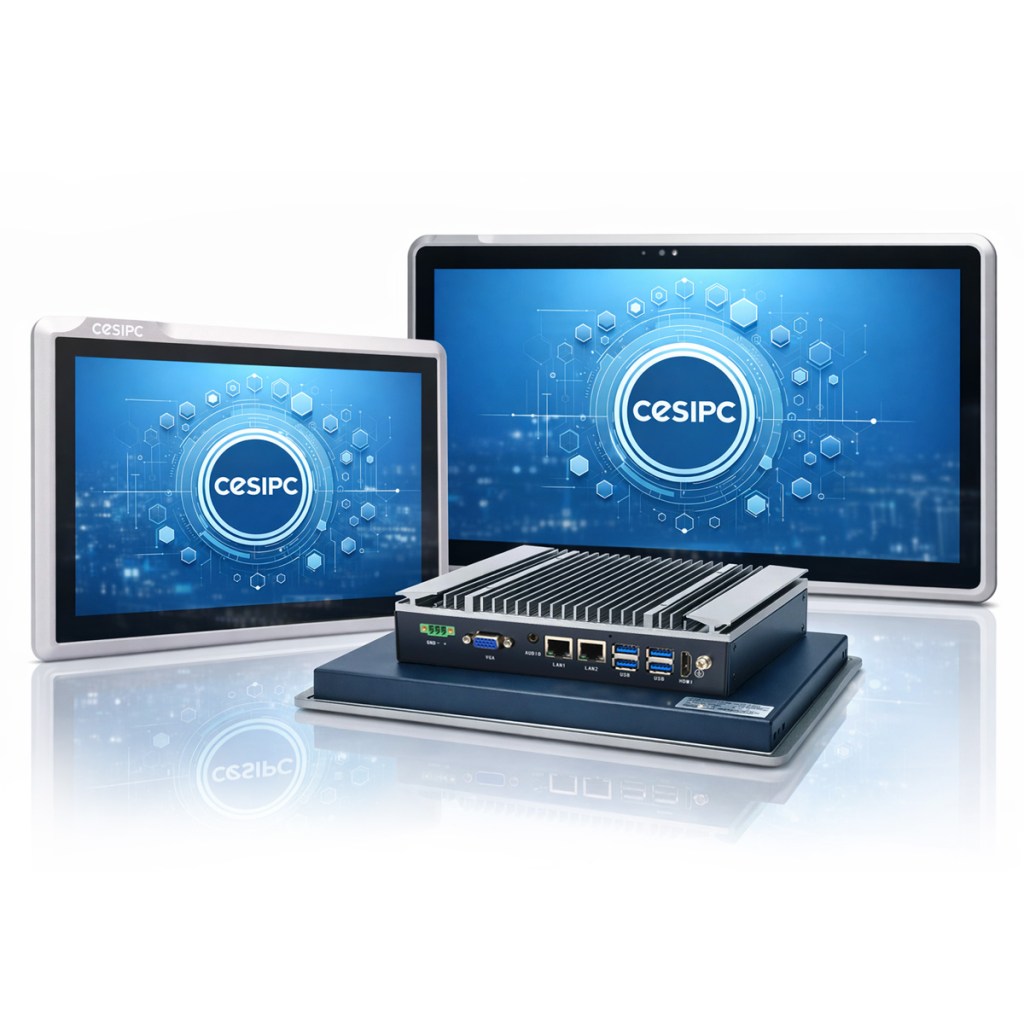

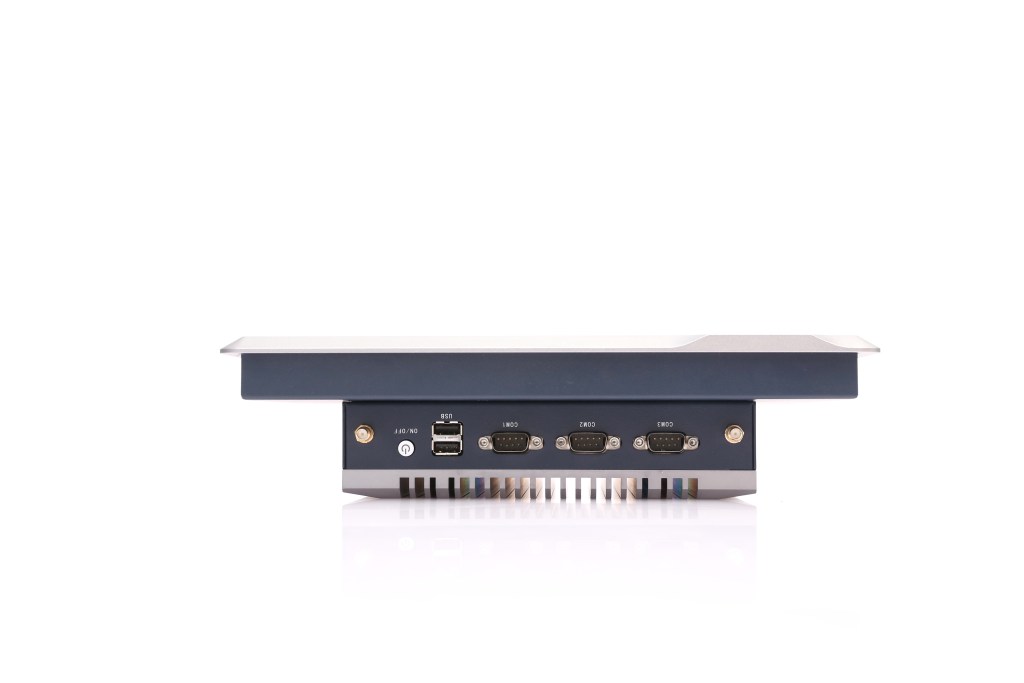
Pip: For anything harsher, there’s an IP67 plus IP69K combination paired with a full stainless steel enclosure — protection against full water immersion and high-pressure hot water cleaning. That’s the food processing and pharmaceutical tier.
IP67&IP69K Panel PC
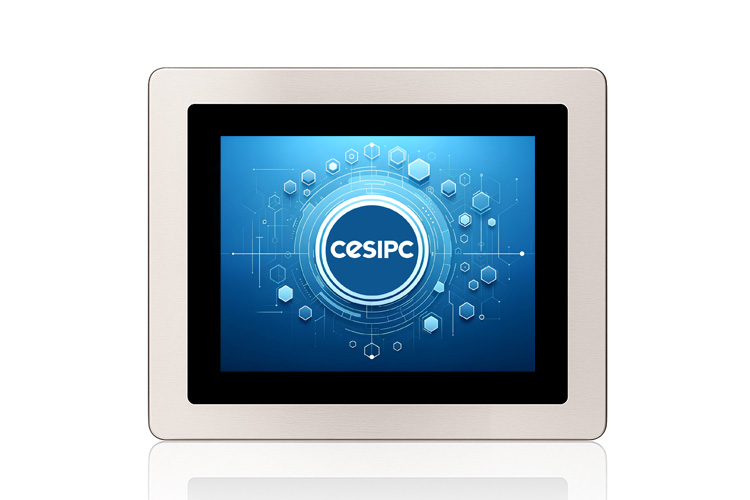


Mara: The post draws a direct comparison to commercial PCs. Commercial hardware uses fans for cooling, lacks ruggedized construction, and has no ingress protection rating. Panel PCs invert all three of those assumptions by design.
Pip: The touchscreen is worth flagging too — not a luxury feature here, but a practical one. No external keyboard or mouse means fewer contamination points and fewer things to break.
Mara: The post also notes that selecting the right Panel PC goes beyond the hardware checklist. Display size, mounting method, and front-panel ingress protection level all matter — especially in hygiene-sensitive industries where aggressive disinfectants can corrode standard aluminum panels over time.
Pip: So even the surface finish is an engineering decision, not an aesthetic one.
Mara: The post covers application territory too: industrial automation, medical devices, retail kiosks, public transportation displays, and smart home control — all environments where 24/7 uptime and direct-touch operation are the baseline requirement, not a premium option.
Pip: Sealed enclosure, fanless cooling, IP-rated protection — the Panel PC is essentially a computer that takes its job seriously.
Mara: And the selection criteria run deeper than the spec sheet. More on the industrial computing stack next time.
Talk to a CESIPC Engineer
Our application engineers are ready to help you select the right configuration, discuss ODM requirements, or provide a tailored quotation for your project.
Typical response within 24 hours · Multilingual support · CE / FCC / BIS compliant


We use your details only to answer this enquiry — no newsletters, no sharing. Drawings or a photo of the existing panel can be sent to sales@cesipc.com.