



In this episode, we discuss how IP65, IP67 and IP69K protection levels affect the design and application of industrial computers. The episode explains the differences between waterproof protection levels, stainless steel industrial PCs and how to select suitable equipment for washdown, food processing and harsh industrial environments.
Pip: If your computer has ever been hosed down with boiling water and kept working, congratulations — you probably work in food processing, and your PC was built for it.
Mara: Today we’re covering a post from CESIPC-Summer on waterproof and stainless steel industrial computers — what the IP rating system actually means, where it falls short, and how engineers select the right protection level for real environments.
Pip: Let’s start with what IP ratings are actually telling you — and what they’re quietly leaving out.
Waterproof PCs and the Limits of an IP Rating
Mara: The core tension here is that an IP rating looks like a guarantee but isn’t — it’s a standardized test result, and the gap between lab conditions and a food processing floor is where real systems fail.
Pip: The post puts it plainly: “IP ratings represent standardized test conditions rather than full environmental durability. Real-world reliability depends on mechanical sealing, material selection, and system-level design.”
Mara: So the upshot is that a rating tells you how a device performed under a specific controlled test — not how it holds up to daily chemical sterilization or oil mist over three years of continuous operation.
Pip: And the post is specific about which rating fits which scenario — IP65 for controlled indoor environments with limited water exposure, IP67 where temporary immersion is a risk, and IP69K for high-pressure hot water washdown in food and pharmaceutical production.
Mara: There’s also a misconceptions table worth flagging. IP67 does not mean the device is rated for sustained underwater operation — only temporary immersion under test conditions. And IP69K covers high-pressure hot water resistance, not chemical resistance. Steam behaves differently from liquid water entirely.
Pip: That last one is the quiet gotcha — waterproof is not steam-proof, and dustproof is not oil-proof. Oil mist requires additional design considerations that no IP number alone will signal.
Mara: The engineering side of this is a system-level problem. The post walks through the design elements that actually deliver protection: gasket and O-ring sealing at enclosure joints, fanless architecture that removes the contamination pathway that a fan would create, stainless steel enclosures for corrosion resistance, M12 connectors for sealed I/O, and pressure balance design to maintain long-term sealing stability.
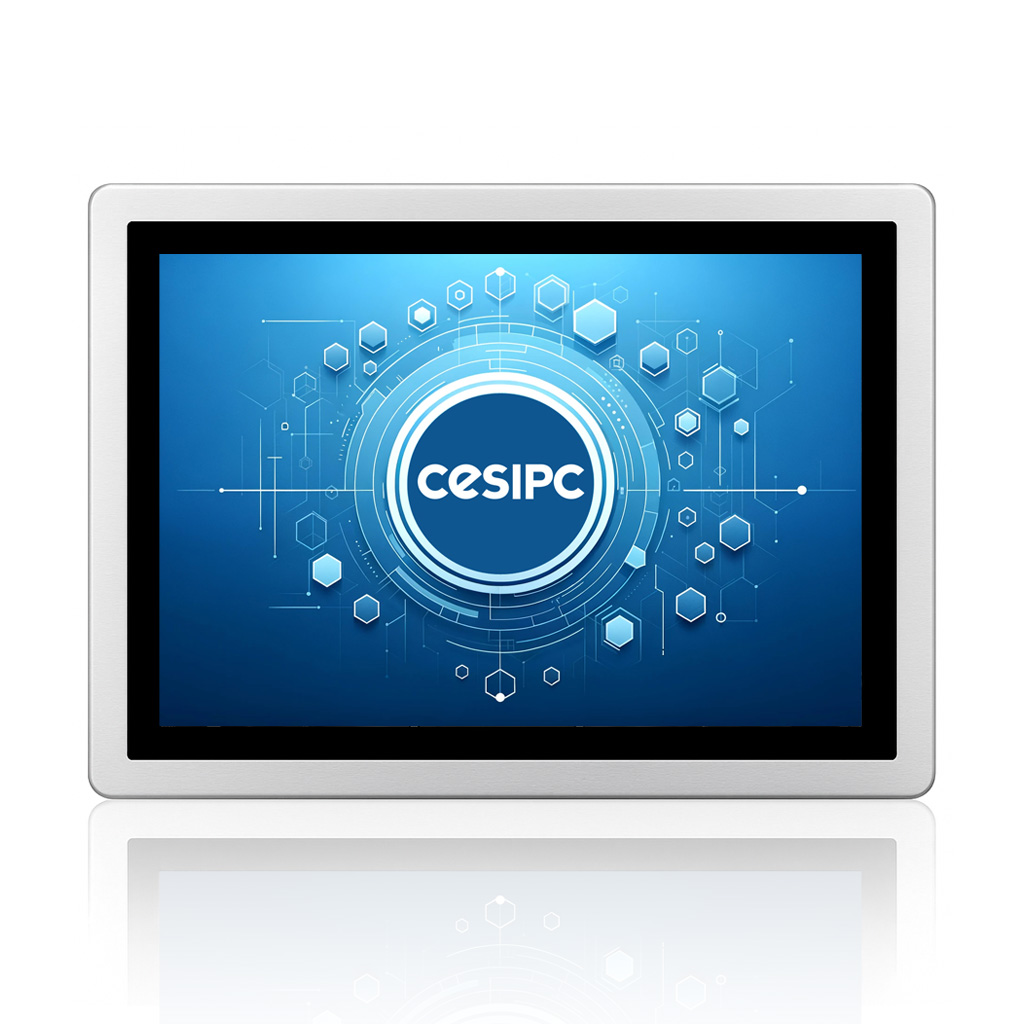
Pip: The G-series panel PC is the concrete example — full 304 stainless steel construction, built for exactly the IP69K washdown environments the post describes.
CESIPC G-series
Mara: The conclusion the post lands on is direct: “IP ratings validate performance, but system engineering determines reliability.” The rating is evidence, not the whole answer.
Pip: Which means the selection question is really about matching environment to engineering — and that’s a conversation, not a spec sheet lookup.
Mara: The practical takeaway is that protection level selection starts with understanding what your environment actually demands — pressure, chemistry, temperature, and duty cycle — not just the highest IP number available.
Pip: Next time, we’ll see what other engineering decisions industrial deployments are quietly built around.
Talk to a CESIPC Engineer
Our application engineers are ready to help you select the right configuration, discuss ODM requirements, or provide a tailored quotation for your project.
Typical response within 24 hours · Multilingual support · CE / FCC / BIS compliant


