
Industrial Waterproof Computers and Stainless Steel PCs are designed for environments where standard computers fail due to water, dust, corrosion, and chemical exposure. Their reliability is achieved through engineering design rather than computing performance, combining sealed enclosures, fanless architecture, and industrial-grade connectors.
IP ratings from IP65 to IP69K define different levels of protection against dust and water. However, these ratings represent standardized test conditions rather than full environmental durability. Real-world reliability depends on mechanical sealing, material selection, and system-level design.
IP65–IP69K protection levels are used to match different industrial scenarios: IP65 for controlled indoor environments, IP67 for temporary water exposure, and IP69K for high-pressure washdown applications such as food processing and pharmaceutical production.
1. Why industrial environments require waterproof computing
Industrial computing systems operate under conditions that include:
- High-pressure water cleaning
- Chemical sterilization
- Dust and oil contamination
- Continuous 24/7 operation
These factors make environmental protection more critical than raw computing performance.
2. Engineering foundation of waterproof industrial computers
Waterproof performance is achieved through integrated design elements:
| Engineering Feature | Function |
|---|---|
| Gasket / O-ring sealing | Prevents liquid ingress at enclosure joints |
| Fanless design | Eliminates airflow contamination paths |
| Stainless steel enclosure | Provides corrosion and chemical resistance |
| M12 connectors | Ensures sealed industrial-grade I/O |
| Pressure balance design | Maintains long-term sealing stability |
These elements define system reliability in real environments.
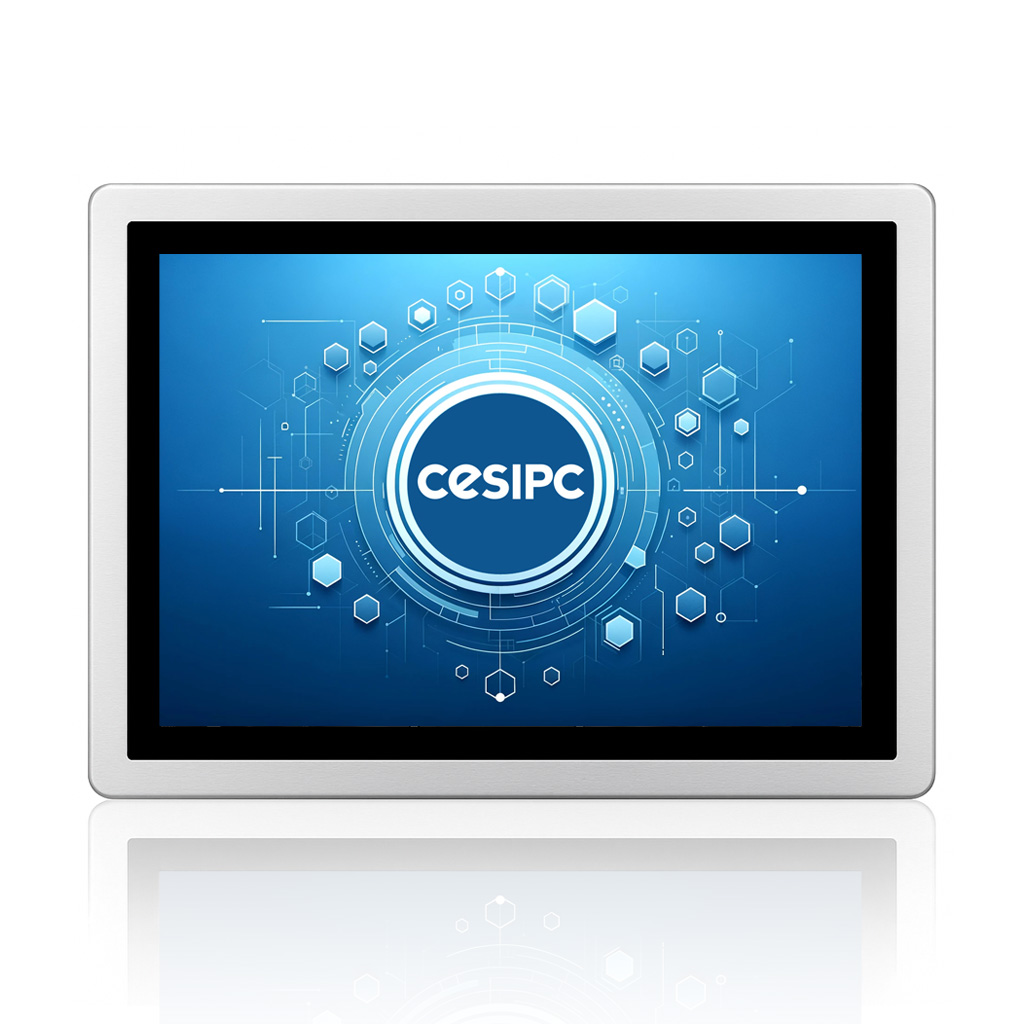
CESIPC G-series
3. IP rating system explained (IP65–IP69K)
| IP Rating | Protection Level | Typical Application |
|---|---|---|
| IP65 | Dust tight + water jets | Light industrial environments |
| IP66 | Strong water jets | Outdoor or cleaning exposure |
| IP67 | Temporary immersion | Humid or mobile systems |
| IP69K | High-pressure hot water washdown | Food & pharmaceutical industries |
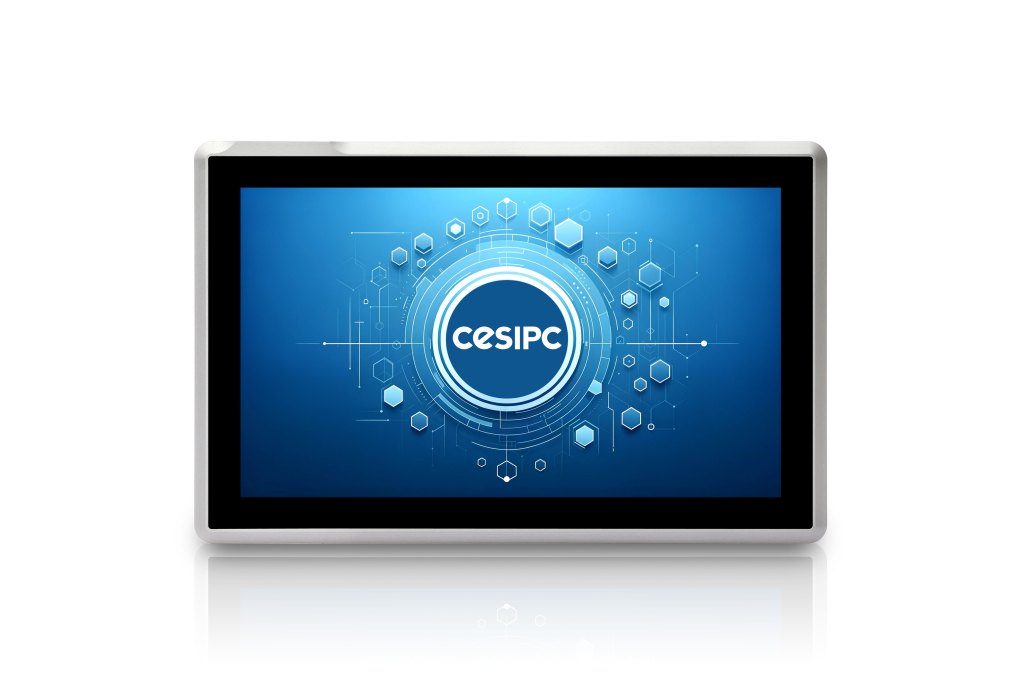
IP65 Industrial Panel PC
⚠️ IP ratings do not define resistance to chemicals, steam, or long-term corrosion.
4. Common misconceptions in industrial applications
| Misconception | Technical Reality |
|---|---|
| IP67 = underwater operation | Only temporary immersion under test conditions |
| IP69K = chemical resistance | Only high-pressure hot water resistance |
| Waterproof = steam-proof | Steam behaves differently from liquid water |
| Dustproof = oil-proof | Oil mist requires additional design considerations |
5. Application-based selection of IP levels
IP65 is suitable for:
- Controlled industrial environments
- Limited water exposure
- Cabinet-mounted systems
IP67 is suitable for:
- Occasional water exposure
- Outdoor or mobile equipment
- Temporary immersion risk
IP69K is required for:
- Daily washdown operations
- Food processing industries
- Pharmaceutical sterilization environments

6. Industry-specific configurations
| Industry | Recommended Design |
|---|---|
| Food & Beverage | IP69K + stainless steel + sealed connectors |
| Pharmaceutical | IP69K + chemical-resistant enclosure |
| CNC / Manufacturing | IP65–IP66 + dust/oil protection |
| Outdoor systems | IP66–IP67 + thermal stability design |
7. Conclusion: protection is a system engineering outcome
Waterproof industrial computing is not defined by a single IP rating or material choice. It is the result of mechanical sealing, material engineering, connector design, and real-world environmental requirements.
IP ratings validate performance, but system engineering determines reliability.
Talk to a CESIPC Engineer
Our application engineers are ready to help you select the right configuration, discuss ODM requirements, or provide a tailored quotation for your project.
Typical response within 24 hours · Multilingual support · CE / FCC / BIS compliant

