
This podcast explores a real-world application of a 15-inch industrial Panel PC on fastener manufacturing equipment. The Panel PC combines an industrial computer, touchscreen display, and I/O interfaces in one machine-side unit, providing operators with an HMI for machine operation, parameter setting, alarm monitoring, and production data visualization.
Pip: Industrial PCs — where the glamour of a touchscreen meets the glamour of a fastener production floor.
Mara: CESIPC-Summer has been covering exactly that territory: how rugged all-in-one computing fits into real manufacturing environments, from machine-side HMIs to the hardware choices behind them.
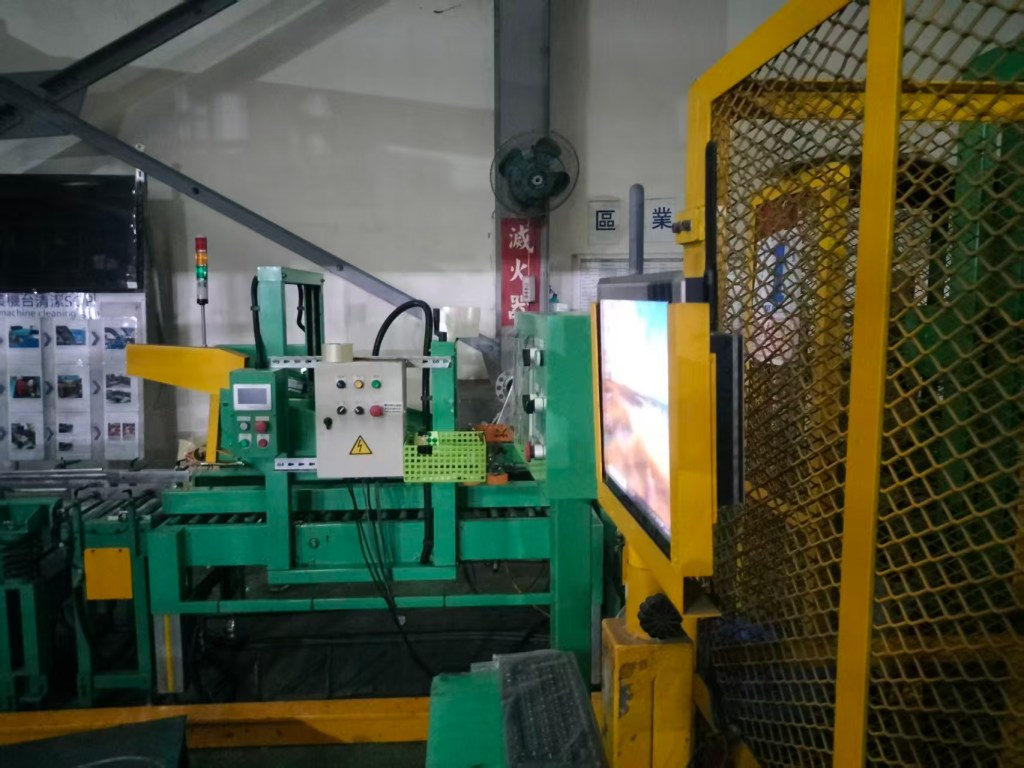
CESIPC Customer On-Site Application Images. Reproduction Or Use For Other Purposes Is Strictly Prohibited.
Pip: So let’s get into the specifics. Let’s start with a 15-inch Panel PC bolted right onto a fastener machine.
15-Inch Panel PC on the Fastener Floor
Mara: The core question here is why you’d replace a separate computer and monitor with a single integrated unit — and what that unit actually does once it’s mounted on the machine.
Pip: The post lays it out directly. The setup description reads: “Instead of using a separate computer and external monitor, the Panel PC integrates the display and computing platform into one industrial enclosure.”


Mara: What that gets the operator in practice is a single machine-side touchscreen handling parameter setting, alarm display, start and stop controls, and live production data — all from one surface, no separate desk or cabinet required.
Pip: And the integration goes deeper than the screen. The Panel PC is communicating with PLCs, sensors, and controllers, and can feed into MES systems — so it’s functioning as part of the machine’s control and data infrastructure, not just a monitor someone bolted on.
Mara: The hardware spec behind that is an i5-1235U processor, 16 gigabytes of RAM, a 512-gigabyte SSD, and an IP65-rated front panel — with fanless cooling options for environments where dust and continuous operation are both facts of life.
Pip: Fastener manufacturing floors are not known for being gentle. Dust, vibration, temperature swings, tight installation space — a standard office PC would last about a Tuesday.
Mara: That’s precisely the comparison the post draws. A conventional PC and monitor offers limited front protection, fan-based cooling, and office-oriented operation. The industrial Panel PC is rated for seven-by-twenty-four continuous use, with embedded, panel-mount, or VESA mounting to fit the actual machine geometry.
Pip: And the 15-inch size is doing specific work here — the post calls it “a practical balance between screen visibility and installation space,” enough area to show parameters and alarms clearly without overwhelming a machine-side footprint.
Mara: The post also notes that configuration should be matched to the actual application — CPU, memory, I/O, mounting method, and environmental conditions all factor in. CESIPC offers customization across those dimensions and can provide sample units for evaluation before a full deployment.
Pip: Rugged, integrated, sized for the job — that’s the through-line.
Mara: The practical argument keeps coming back to the same point: the right hardware matched to the actual environment.
Pip: Next time, we’ll see where else that argument lands. More floors, more machines, more decisions about what goes on them.
EPC-S15X2A →
Contact CESIPC Team


We use your details only to answer this enquiry — no newsletters, no sharing. Drawings or a photo of the existing panel can be sent to sales@cesipc.com.