



Introduction
In the field of industrial automation, connectivity is a critical factor for stable operation and seamless communication between devices. One of the most important interfaces in industrial computers is the serial port of panel PC. While modern consumer computers have largely moved to USB and wireless communication, serial ports remain essential in industrial environments due to their reliability, simplicity, and adaptability.
Key Characteristics of Serial Ports in Industrial Computers
Serial ports (often RS-232, RS-422, or RS-485) are designed for robust, point-to-point or multi-point communication. Their main characteristics include:
- Stable Data Transmission: Even in environments with high electromagnetic interference, serial ports can ensure reliable data transfer.
- Long-Distance Capability: RS-485, for example, supports data transmission up to 1200 meters, making it ideal for large-scale factory setups.
- Low Resource Demand: Unlike USB or Ethernet, serial ports require minimal system resources, reducing CPU load.
- Legacy Support: Many industrial devices, such as sensors, PLCs, and CNC machines, still rely on serial communication.
Forms of Serial Ports in Panel PCs
When discussing the serial port of panel PC, it is important to note that serial ports do not come in just one physical form. Common interfaces include:
- DB9 (DE-9) – The most widely used 9-pin D-sub connector, common for RS-232.
- DB25 – A 25-pin D-sub connector, more common in older equipment but still found in some industrial systems.
- RJ45 Serial Port – Uses the same connector type as Ethernet but carries RS-232/422/485 signals, making cabling more convenient.
- Terminal Block – Screw-down connectors often used in RS-422/485 setups, ideal for industrial wiring and multiple device connections.
- Mini-DIN Connector – Compact round connectors used in some space-saving industrial systems.
- Pin Header (2.54mm Header on Board) – Internal expansion headers on industrial motherboards, allowing additional serial ports via adapter cables.
This variety of physical interfaces ensures flexibility in deployment across different industries and environments.
Industries That Benefit from Serial Port Panel PCs
The series port of panel PC is widely used across various industries where stable device communication is essential:
- Manufacturing & Automation: Connecting PLCs, barcode scanners, robotic arms, and machine controllers.
- Energy & Utilities: Monitoring power meters, SCADA systems, and renewable energy equipment.
- Transportation & Logistics: Managing traffic control systems, railway signaling, and automated warehouses.
- Healthcare & Laboratories: Interfacing with diagnostic equipment and legacy medical devices.
- Retail & POS Systems: Supporting cash registers, receipt printers, and customer information displays.
Recommended Industrial Panel PCs with Multiple Serial Ports
For businesses seeking high-performance industrial solutions, the following models are strongly recommended:
- EPC-302A – A compact industrial panel PC equipped with 6 serial ports, making it perfect for machine-to-machine communication in automation environments.
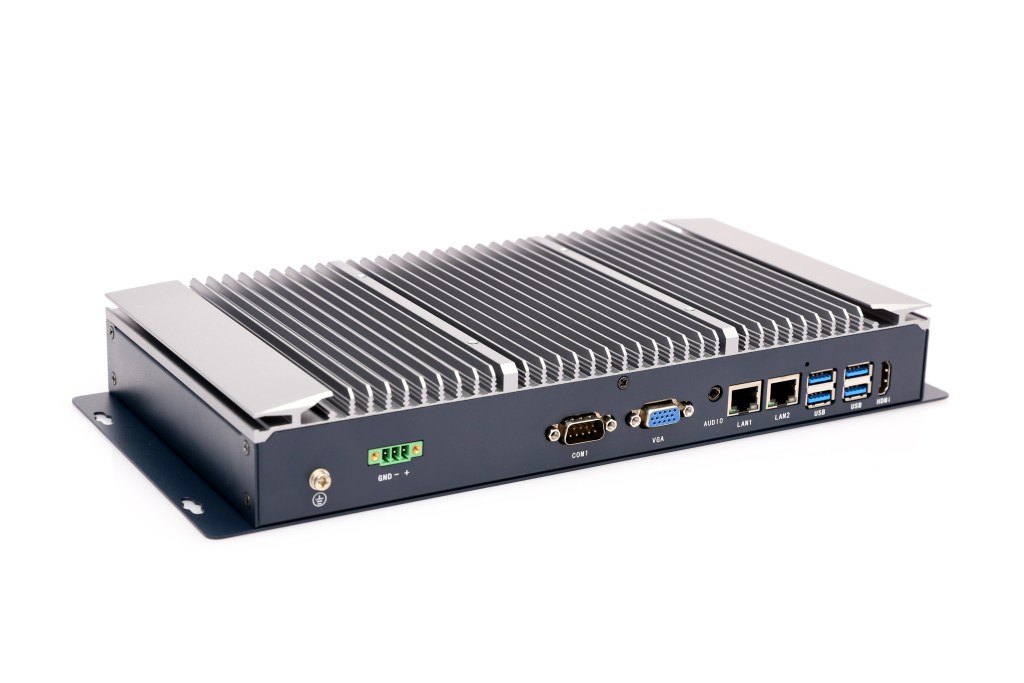
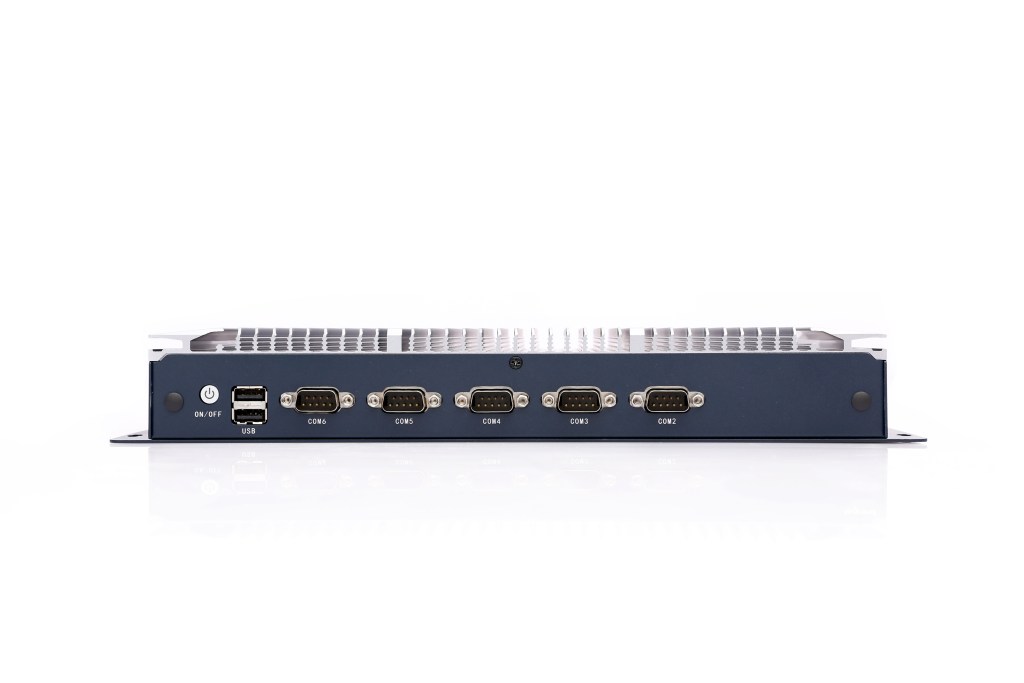
- EPC-W15X2A – A 15.6-inch industrial panel PC with 6 serial ports, combining a large display with strong connectivity, ideal for control rooms and monitoring stations.
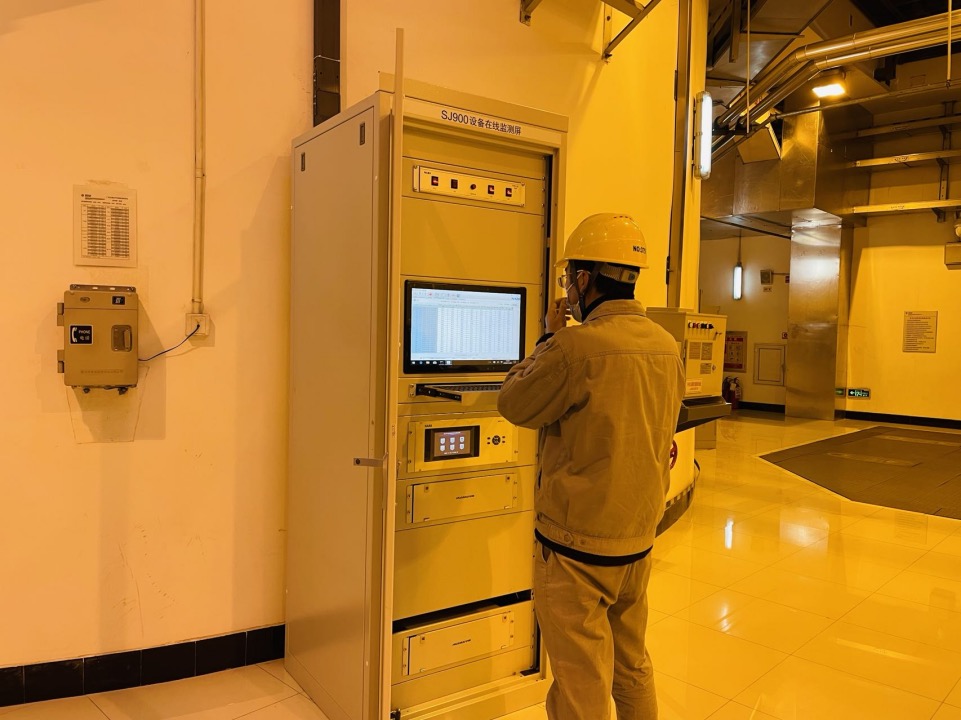

Both models are designed for harsh industrial conditions, ensuring durability, scalability, and compatibility with a wide range of legacy and modern devices.
Conclusion
The serial port of panel PC remains a critical feature in industrial computing, ensuring reliable, long-distance, and interference-resistant communication. With products like the EPC-302A and EPC-W15X2A, businesses can achieve both performance and connectivity, meeting the demands of diverse industrial applications.
Contact CESIPC Team


