
Pip: An industrial PC that lives inside a PLC cabinet is supposed to be the quiet professional — always on, never complaining. So when it starts dropping off the network every few months and demanding a full reimage, something has gone seriously wrong at the hardware level.
Mara: CESIPC1 digs into exactly that problem today — the real causes behind industrial PC network failures, freezes, and storage corruption, and what the hardware architecture needs to look like to survive five to ten years in a PLC cabinet. Let’s start with why these systems keep failing in the first place.
Why Industrial PCs in PLC Cabinets Keep Failing
Pip: The frustrating part about these failures is how invisible they look on paper. Temperature is within spec, the workload is light, the PLC and switch are running fine — and yet the industrial PC keeps losing network access or freezing. The question the post is really asking is: if conditions look acceptable, why does the hardware keep breaking down?
Mara: The post frames it directly: “The answer usually isn’t Windows. It’s the underlying hardware architecture.” That’s the pivot the whole piece turns on — chasing software fixes when the problem is structural.
Pip: Which means every reimage is just buying time. You’re rewriting corrupted files without touching the underlying cause, so the corruption comes back.
Mara: The post identifies six distinct failure modes. The first is power quality — industrial 24V lines carry voltage ripple, brownouts, switching spikes, and ground loop noise that slowly destabilize the Ethernet PHY controller, SSD integrity, and PCIe communication. A reliable system needs wide voltage filtering across nine to thirty-six volts, surge suppression, and power-loss write protection.
Pip: The second failure mode is the one most likely to get misdiagnosed. Consumer-grade network controllers simply can’t handle the EMI inside a PLC cabinet — VFDs, servo drives, relay switching, PWM systems — and when the Ethernet link keeps dropping or DHCP fails, engineers blame the switch or the network config.
Mara: The post is pointed about this: “In reality, the LAN controller lacks industrial-level EMI resilience.” Intel industrial LAN architecture is the specified fix — strong EMI resistance and stable driver support across the full product lifecycle.

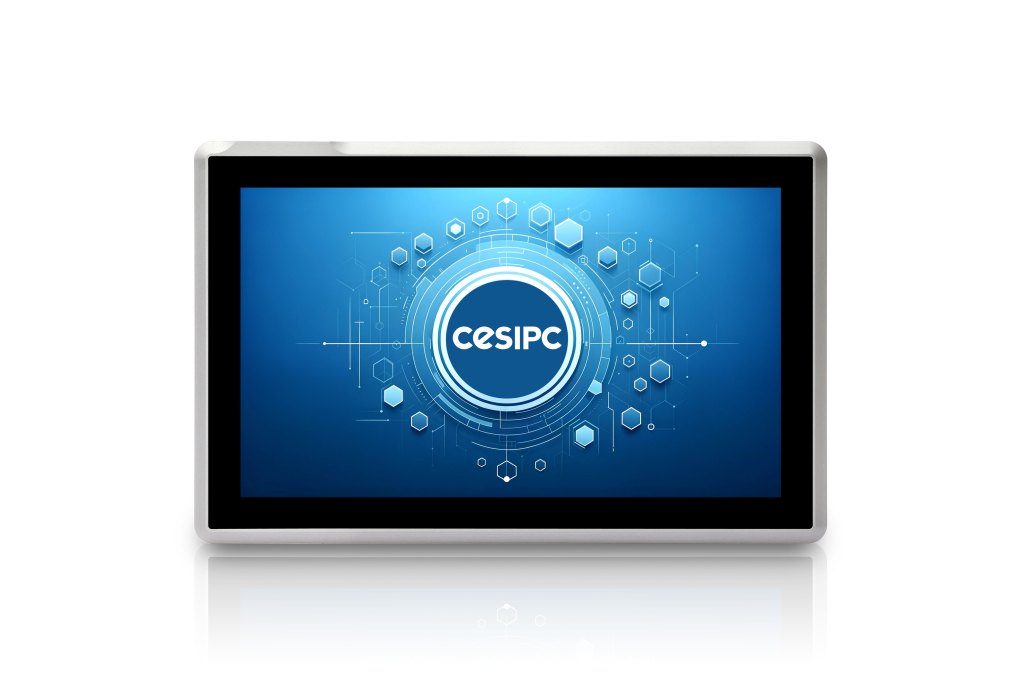
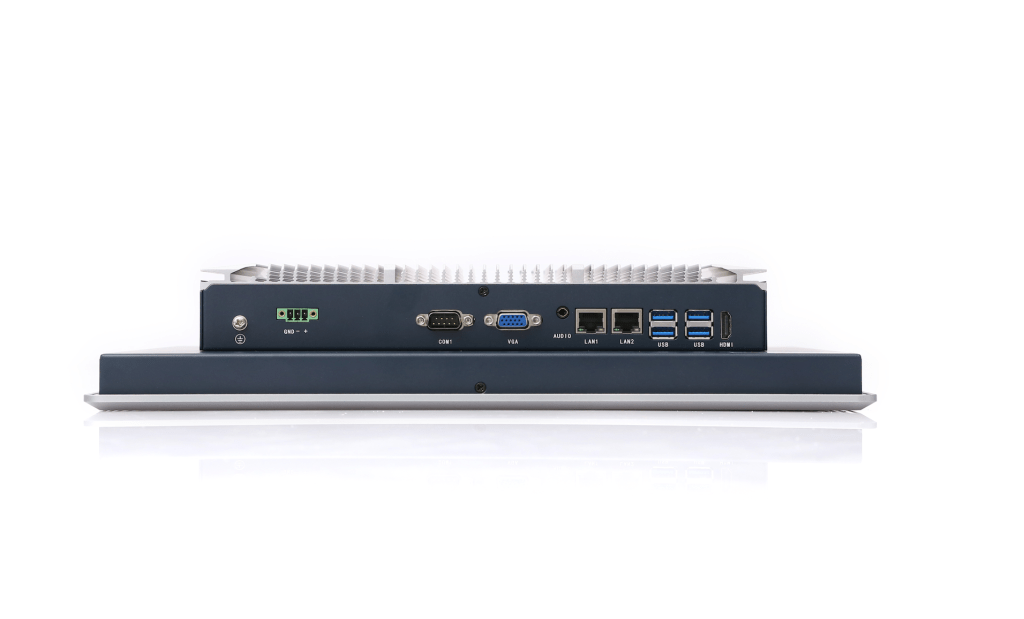
Pip: Thermal design is the third problem, and the post makes a useful distinction: fanless does not automatically mean thermally reliable. Trapped heat inside a sealed cabinet causes LAN controller overheating, SSD degradation, and CPU throttling — the kind of drift that only shows up after months of operation.
Mara: Problems four through six cover storage corruption breaking the Windows network stack, BIOS instability causing NIC initialization failures and PCIe lockups after long uptimes, and inadequate EMI isolation affecting Ethernet communication and storage buses simultaneously. The post notes that BIOS issues in particular are often mistaken for hardware failure because they’re so difficult to trace.
Pip: The common thread is that a lot of what gets sold as an industrial PC is a consumer mini PC inside a metal enclosure — no long-term BIOS maintenance, no industrial SSD, no real power protection.
Mara: The post puts it plainly: “A true industrial PC is not simply a computer that runs Windows inside a metal box.” If uptime matters to the production line, the post argues, industrial architecture matters far more than CPU specifications.
Pip: And if any one of those eight design requirements is missing, the instability isn’t a matter of if — it’s when.
Mara: The core argument holds across everything covered today: hardware architecture is the variable engineers most often overlook when diagnosing long-term instability.
Pip: Next time, we’ll see what else from this corner of industrial automation deserves a closer look.
Talk to a CESIPC Engineer
Our application engineers are ready to help you select the right configuration, discuss ODM requirements, or provide a tailored quotation for your project.
Typical response within 24 hours · Multilingual support · CE / FCC / BIS compliant

