
Pip: Industrial PCs live in some of the least forgiving places on earth — food lines, pharmaceutical floors, anywhere a pressure washer is basically part of the daily routine.
Mara: CESIPC-Summer has been writing about exactly that territory — what it actually takes to keep a washdown panel PC running reliably when the environment is trying its hardest to stop it. Let’s start with the connectors question, because that’s where the argument gets interesting.
Why Standard Interfaces Matter in Washdown Stainless Steel Industrial Panel PCs

Nickel-plated brass vs. 316 stainless steel connectors
Degraded ordinary rubber sealing gaskets
Pip: The premise here is that a stainless steel enclosure is not enough on its own — the connectors are where washdown reliability actually gets decided, and a lot of manufacturers are quietly cutting corners there.
Mara: The post frames it directly: “A washdown computer is only as reliable as its connectors.” That’s the central claim everything else builds on.

Pip: And the stakes are concrete. If a panel PC fails mid-shift and the replacement unit needs proprietary adapter cables that can’t be reused, production stays stopped while someone rewires. The downtime cost can exceed the price gap between the computers themselves.
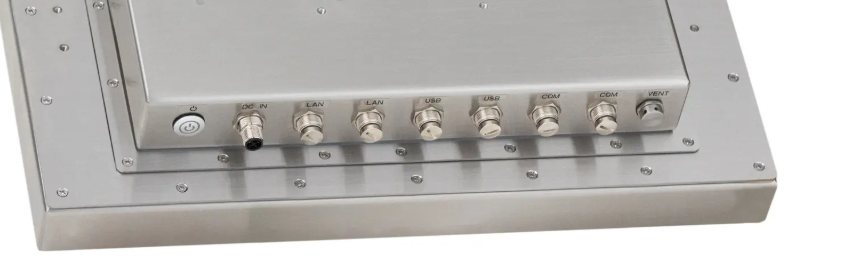
Mara: The post breaks down three specific failure modes in cost-cut connectors. Nickel-plated brass looks like stainless steel initially, but prolonged exposure to salt, cleaning chemicals, and hot water causes corrosion and seal deterioration — a particular risk in seafood, meat, and dairy environments. Low-quality rubber gaskets crack and harden under repeated washdown cycles, eventually losing IP protection. And inferior contact materials produce intermittent faults — unstable Ethernet, USB disconnections, camera failures — that only surface after months of operation and are notoriously hard to trace.
Pip: Months of operation before the failure shows up is the cruel part. You’ve already signed off on the procurement.
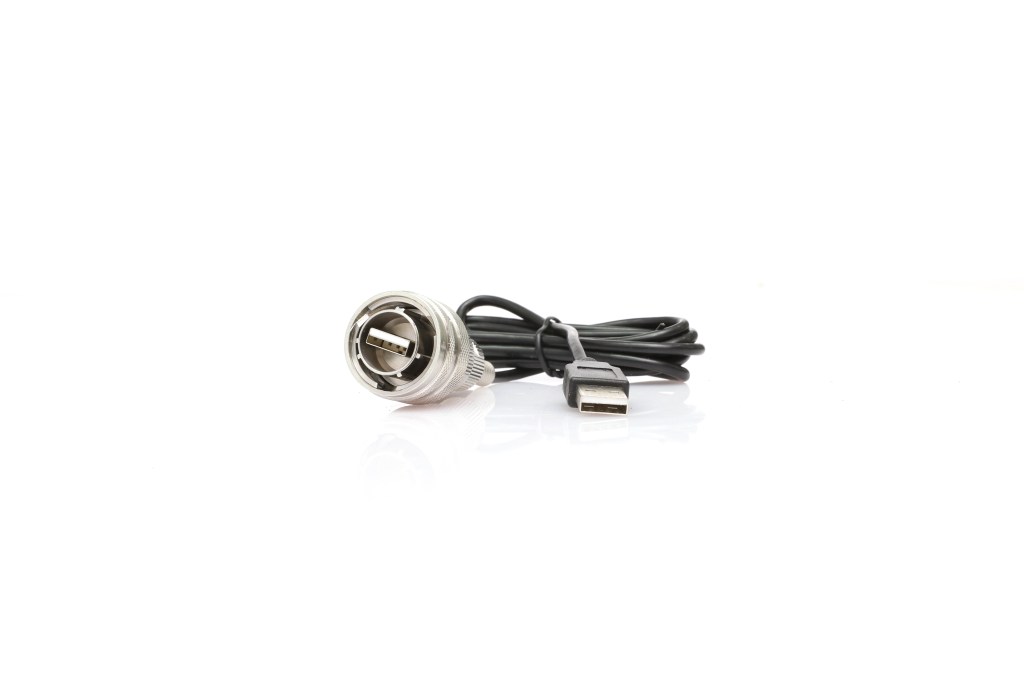
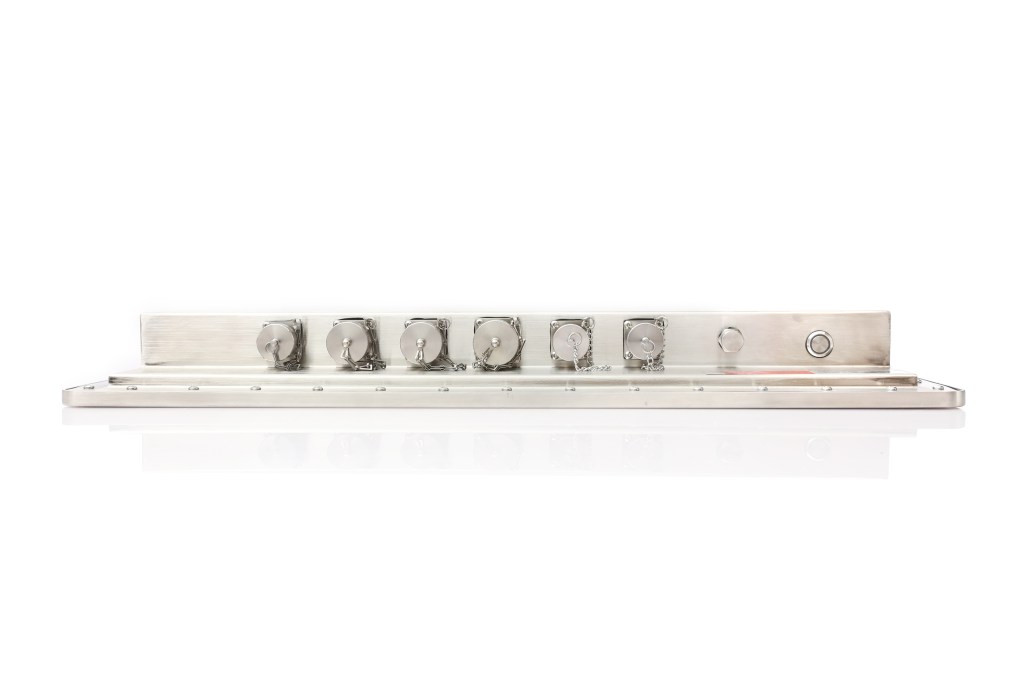
Mara: The post then lays out what a different design choice looks like. Full 304 stainless steel construction extends to the M12 connectors themselves, not just the enclosure. And critically, the interface design keeps standard USB, RJ45 Ethernet, and COM ports — no proprietary adapters required.
Pip: Which means a replacement unit swaps in without a rewiring project attached to it.
Mara: The post closes with a question engineers should be asking at selection time: not just “Is it IP69K?” but “What materials are used in the connectors?” and “Do I need proprietary adapter cables?” The argument is that connector material, sealing quality, and interface standardization together determine total cost of ownership far more than the purchase price alone.
Pip: Reliability built from details — that framing carries whether you’re speccing washdown hardware or anything else that has to run continuously in a hostile environment.
Mara: The through-line here is that the weakest component sets the ceiling for the whole system — and in washdown environments, that’s almost always something smaller than the enclosure.
Pip: Next time, we’ll see what else is hiding in the details. More to come.
Talk to a CESIPC Engineer
Our application engineers are ready to help you select the right configuration, discuss ODM requirements, or provide a tailored quotation for your project.
Typical response within 24 hours · Multilingual support · CE / FCC / BIS compliant

