


CNC oxy-fuel cutting machines (also called flame cutting or oxy-acetylene/oxy-propane cutting) are built for thick carbon steel.
They are cost-effective.
They can cut very thick plates.
But in real workshops, performance is not decided by the torch alone.
It is decided by control stability, recipe consistency, harsh-environment reliability, and downtime reduction.
That is exactly where an Industrial PC (IPC) and HMI deliver measurable value.
Why CNC Oxy-Fuel Cutting Needs a Strong Industrial Computing Platform
Oxy-fuel cutting is a thermal process with:
- preheating + oxygen cutting
- long cutting cycles on thick plates
- heavy dust, smoke, and cabinet heat
This creates three constant pressures:
- Long runtime: jobs can run for hours per shift
- Harsh conditions: dust, fume, vibration, electrical noise, high cabinet temperature
- Operator dependence: quality relies on correct preheat, oxygen pressure, and speed settings
A reliable IPC/HMI platform helps you:
- reduce process variation
- improve repeatability across shifts
- cut downtime and service cost
Value Point 1: More Stable Motion and Path Execution (Less Drift, Less Corner Defects)
Thick plate cutting is not only about speed.
It is about stable path following.
A well-chosen industrial PC/HMI improves:
- consistent CNC execution and system responsiveness
- smoother operation without UI lag or freezing
- stability during long, continuous jobs
Production impact: cleaner contours, fewer corner defects, better consistency.
Value Point 2: Turn “Tribal Know-How” into Repeatable Recipes (Quality That Survives Shift Changes)
Oxy-fuel quality is highly recipe-driven:
- preheat time and flame intensity
- cutting speed
- oxygen pressure
- pierce strategy, lead-in/lead-out settings
- nozzle selection and height control approach (where applicable)
Without structured control, common issues appear:
- one operator cuts well, another creates scrap
- parameters get changed with no trace
- quality varies between shifts
An IPC/HMI platform enables:
- recipe management (by thickness, material batch, nozzle type)
- permission control (operator call recipes, engineers modify)
- parameter traceability (who changed what, and when)
Production impact: stable quality, faster onboarding, fewer disputes.
Value Point 3: Higher Nesting Efficiency and Faster Job Switching (Less Material Waste, Less Waiting)
Oxy-fuel is widely used for thick steel plate blanking.
Material cost is significant.
Industrial computing value on the software side:
- faster loading of large programs
- stable operation on big nesting files
- smoother integration with nesting software and production tracking (as needed)
Production impact: better plate utilization, faster changeovers, higher throughput.
Value Point 4: Reliability in Dust, Smoke, Heat, and EMI (Where Consumer PCs Fail)
In oxy-fuel cutting shops, the most common problem is not “CPU performance.”
It is “the environment kills the computer.”
Typical failures:
- dust-clogged fans → overheating and shutdown
- high cabinet temperature → instability
- EMI → communication errors on COM/I/O
- unstable power → reboot, file corruption, lost jobs
Industrial PC/HMI advantages:
- fanless designs (preferred for dusty environments)
- wide-temperature operation for hot cabinets
- industrial I/O and EMI-resistant design for stable communications
- reliable storage strategy to reduce recovery time
Production impact: fewer random stops, fewer service calls, longer system life.
Value Point 5: Less Downtime Through Diagnostics, Logs, and Remote Support
When a cutting machine stops, the line stops.
What shops need is fast fault isolation.
A good IPC/HMI platform supports:
- complete alarm/event logs
- job history and parameter call records
- easier export of service data for after-sales teams
- remote maintenance capability (with secure networking design)
Production impact: faster troubleshooting and shorter downtime.
Value Point 6: Easy Expansion for Line Upgrades (From Standalone Cutting to Automated Plate Processing)
Many CNC oxy-fuel machines evolve into:
- conveyors and roller tables
- loading/unloading assistance
- yard/crane coordination
- MES data collection for output and shift reporting
That requires:
- flexible I/O expansion (LAN/COM/USB/GPIO options)
- protocol readiness for integration
- an upgrade path without redesigning the whole control cabinet
Production impact: easier automation roadmap, lower integration risk.
What to Look for in an Industrial PC / HMI for CNC Oxy-Fuel Cutting
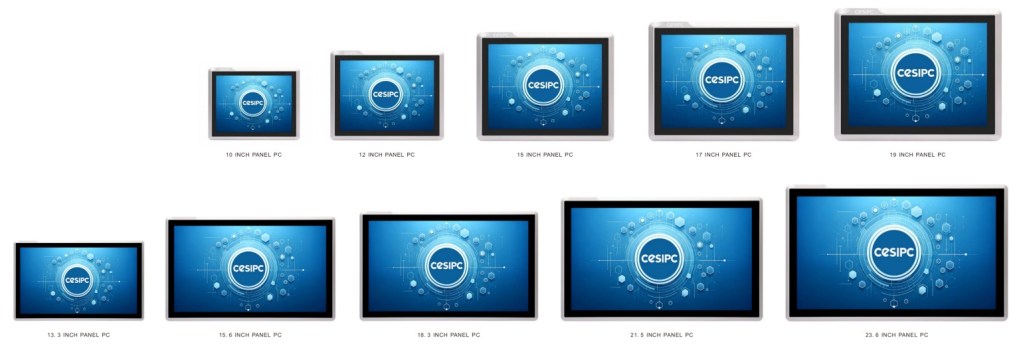

Use this checklist when specifying an IPC platform:
- 24/7 stability for long continuous jobs
- Fanless + wide temperature design for dusty, hot cabinets
- Enough industrial interfaces (LAN, COM, USB, optional isolated I/O)
- EMI resistance for noisy shop floors
- Recipe + permissions + traceability features for process control
- Maintenance-friendly logs and diagnostics
- Power stability strategy for voltage fluctuation environments
Contact CESIPC Team


We use your details only to answer this enquiry — no newsletters, no sharing. Drawings or a photo of the existing panel can be sent to sales@cesipc.com.