


In the debate of IPC vs regular PC, the difference becomes clear when we look at real-world use. While commercial PCs are designed for offices, industrial PCs (IPCs) are built for harsh environments, long lifecycles, and continuous operation.
1. Reliability and Durability
IPCs are designed for 24/7 stable operation, resistant to temperature, vibration, and power fluctuations. Regular PCs often freeze or crash when pushed beyond normal office workloads.
2. Environmental Protection
Factories generate dust, humidity, and electromagnetic interference. IPCs feature sealed enclosures, fanless cooling, and EMI protection, ensuring smooth performance where commercial PCs fail.
3. Industrial Interfaces
With RS-232/485, CAN bus, and PLC communication, IPCs easily connect to automation systems. Regular PCs lack these interfaces and cannot support industrial protocols.
4. Real Case: Seafood Factory Upgrade
One of our customers, a seafood processing plant, initially used commercial PCs for monitoring and control. They frequently experienced lagging and system crashes due to the humid and demanding environment.
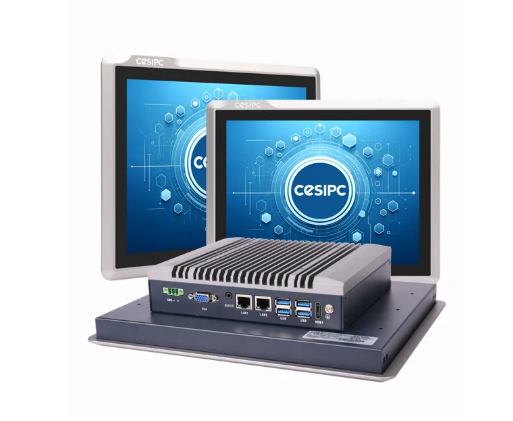
After switching to the CESIPC EPC-S1292A industrial PC, the system became stable, responsive, and maintenance-free, significantly reducing downtime and improving production efficiency.
Conclusion
When comparing IPC vs regular PC, the cost of failure is much higher than the hardware price difference. For industries like food processing, manufacturing, or automation, industrial PCs such as the CESIPC EPC-S1292Aprovide reliability, adaptability, and long-term value that commercial PCs simply cannot replace.
Contact CESIPC Team

