



IP65 vs IP67 Industrial Panel PC: Which Protection Level Does Your Industry Really Need?
When selecting an industrial panel PC, protection rating is often one of the first specifications engineers examine. Two of the most common ratings are IP65 and IP67, but many industrial buyers misunderstand what these ratings actually mean and which level is truly necessary for their application.
Choosing a higher protection level may seem safer, but it often increases cost, complexity, thermal constraints, and maintenance challenges without delivering real operational benefits. So how do you decide? This guide explains the real difference between IP65 and IP67 industrial panel PCs and helps determine which protection level fits your industrial environment.
What Does IP Rating Mean?
IP stands for Ingress Protection, defined by IEC 60529 standards. The first digit indicates solid particle protection: 6 = Complete dust-tight protection. The second digit indicates water resistance level: IP65 – Protected against low-pressure water jets from any direction; IP67 – Protected against temporary immersion in water up to 1 meter for 30 minutes. Both ratings provide complete dust protection; the key difference lies in water exposure resistance.
What Is an IP65 Industrial Panel PC Best For?
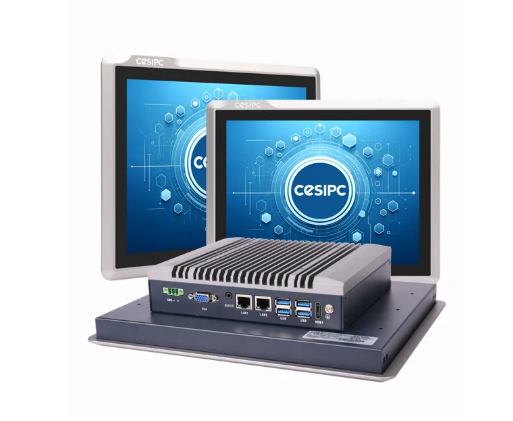
An IP65 industrial panel PC is designed for environments exposed to dust-heavy workshops, oil mist, splashing liquids, routine washdowns, and factory floor cleaning. This protection level is ideal for factory automation systems, CNC machine interfaces, smart manufacturing terminals, warehouse control stations, and packaging machinery HMIs. For most industrial environments, IP65 offers the ideal balance between protection, cooling efficiency, serviceability, and cost-effectiveness.
CESIPC’s modular LEGO IP65 Industrial Panel PC Series is engineered specifically for these deployment scenarios, combining sealed front-panel protection with flexible modular upgrades for long-term lifecycle management.
When Do You Need an IP67 Industrial Panel PC?
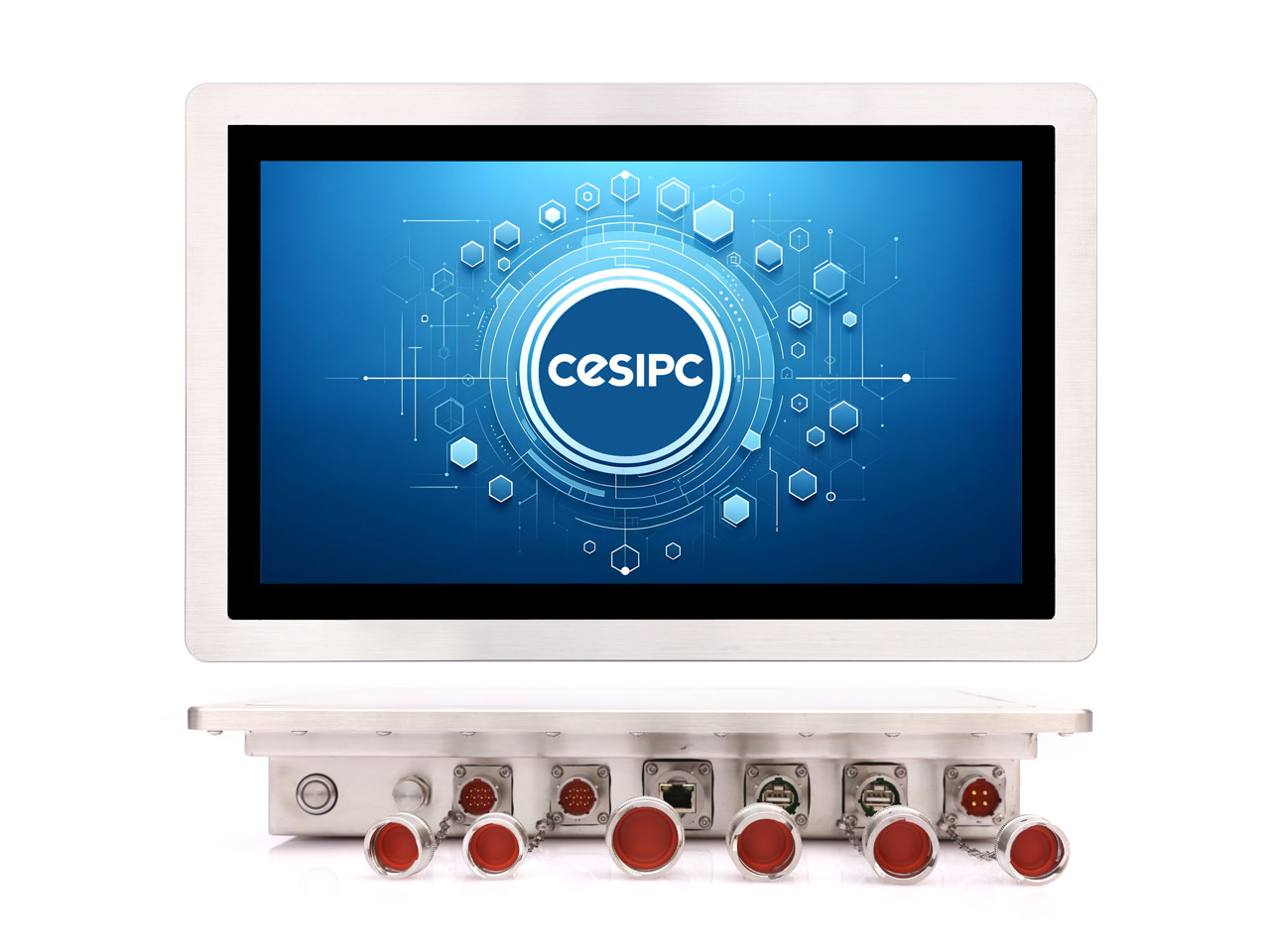
IP67 industrial panel PCs are necessary when equipment faces frequent direct water exposure, outdoor deployment, temporary submersion risk, high-humidity washdown zones, or harsh sanitation environments. Typical applications include food processing plants, beverage production lines, marine automation, pharmaceutical cleanrooms, and outdoor industrial kiosks. However, full IP67 sealing often introduces thermal design limitations that require specialized fanless heat dissipation engineering, making system design more complex and usually more expensive.
For demanding washdown environments, the CESIPC full 304 stainless steel IP67/IP69K industrial panel PC offers reliable, easy-to-clean performance.
A common misconception is: “Higher IP rating means better industrial performance.” Not necessarily. Over-specifying protection can create trade-offs such as increased enclosure cost, reduced thermal efficiency, more difficult maintenance access, and higher lifecycle replacement expense. If your industrial panel PC only faces dust and occasional cleaning sprays, an IP67 system may provide unnecessary protection while reducing upgrade flexibility. This is why many automation engineers prefer modular IP65 platforms for long-term deployment efficiency.
IP65 vs IP67: Quick Comparison
| Feature | IP65 | IP67 |
|---|---|---|
| Dust Protection | Complete | Complete |
| Water Jet Resistance | Yes | Yes |
| Temporary Immersion | No | Yes (1m / 30min) |
| Thermal Efficiency | Better | Lower |
| Serviceability | Easier | More complex |
| Typical Cost | Lower | Higher |
| Best Use Cases | Factory automation, CNC, packaging | Food processing, marine, washdown |
Why Modular IP65 Systems Are Often the Smarter Choice
Modern factories demand flexibility. A fixed industrial panel PC may require full replacement when computing requirements increase. CESIPC’s modular LEGO architecture solves this challenge by allowing CPU platform upgrades, display size flexibility, interface expansion customization, and long lifecycle deployment without cabinet redesign. For industrial automation environments where IP65 is sufficient, modular systems significantly reduce total ownership cost over time.
How to Choose the Right Industrial Panel PC
✅ Choose IP65 if your system operates in standard factory automation, CNC workshops, packaging lines, smart manufacturing environments, or indoor industrial HMI stations.
✅ Choose IP67 if your system requires full washdown sanitation, outdoor weather exposure, frequent direct water contact, or high-moisture industrial environments.
Selecting the correct protection level ensures better performance, lower cost, and longer operational life.
Final Thoughts
The right industrial panel PC is not about choosing the highest specification. It is about choosing the protection level your application actually needs. For most industrial automation deployments, an IP65 modular industrial panel PC provides the ideal balance of protection, upgradeability, cooling performance, and lifecycle value.
Explore CESIPC’s modular IP65 industrial panel PC solutions and the full 304 stainless steel IP67/IP69K series for extreme washdown environments — build scalable industrial systems designed for long-term operational success.


