
12-inch Resistive Touch Panel PC for Sulfurized Workshops


Project Background: Real Challenges from a Coastal Petrochemical Hub
Dongying City, located along the coast of Shandong Province, is one of China’s major petrochemical and chemical industry bases. Across its administrative regions—including Dongying District, Lijin County, Guangrao County, and Hekou District—there are more than 800 industrial chemical enterprises, covering chemical raw materials, fine chemicals, and basic chemical production.
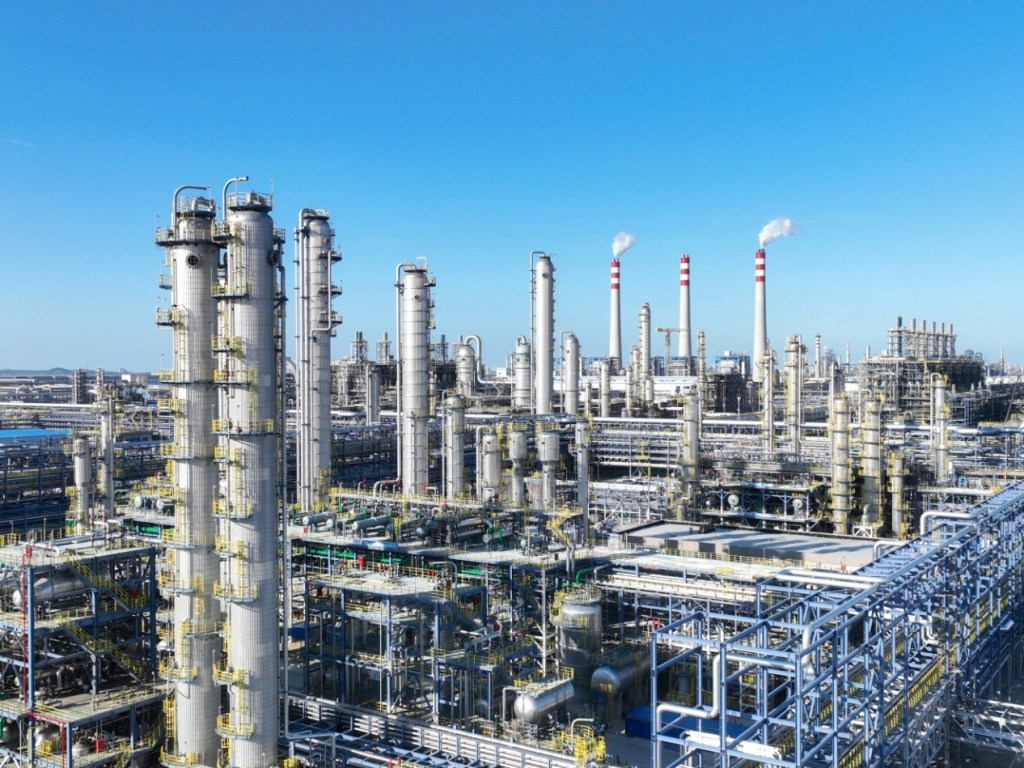
A significant number of these facilities operate sulfurized workshops with corrosive gases, where industrial terminals such as HMIs and Panel PCs are exposed to harsh environmental conditions for long periods. In practice, these environmental factors are often underestimated during equipment selection.
Field Issues Identified: Not Poor Electrical Design, but Environmental Mismatch
In multiple sulfurized workshop projects, customers commonly deployed 12-inch resistive touch Panel PCs as operator terminals. While the systems performed normally at the beginning, systematic failures typically appeared within 6–12 months.
Direct Customer Feedback
“It was sulfur corrosion. The wide-voltage power module burned out.”
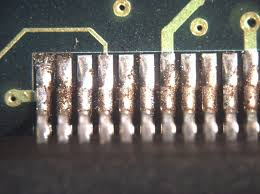

Typical Failure Symptoms
Resistive touch failure
Touch accuracy degraded or failed completely after approximately one year
Embedded open-frame bonding failure
Adhesives lost bonding strength within months due to environmental corrosion, causing panel lifting
Wide-voltage power module damage
Long-term sulfur exposure accelerated corrosion, leading to power module failure
Key Insight: The Root Cause Lies in Materials and Structure
Through post-project analysis across multiple petrochemical and chemical park deployments, a clear conclusion emerged:
Most failures were not caused by inadequate electrical design, but by the lack of material and structural adaptation for sulfur-containing environments.
Impact of Sulfurized Environments on Industrial Devices
- Sulfur compounds continuously corrode metal contacts and signal paths
- Standard industrial adhesives age rapidly and lose adhesion
- Conventional power modules experience significantly reduced long-term reliability
As a result, touch panels, bonding structures, and power subsystems often fail within 1–2 years, increasing downtime and maintenance costs.
The Solution: EPC-S1221B, Engineered for Sulfurized Workshops

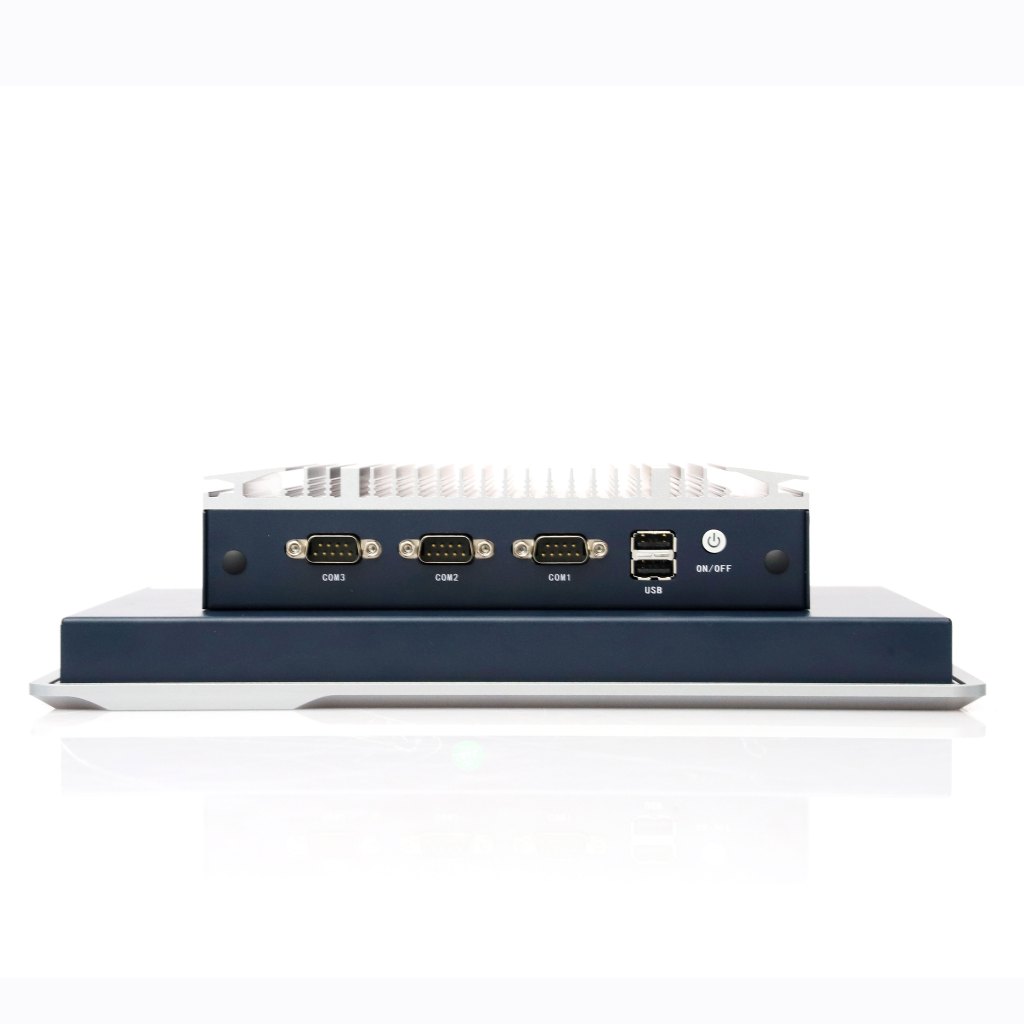
Based on real failure mechanisms observed in the field, we developed the EPC-S1221B, an industrial Panel PC specifically engineered for sulfurized workshops and petrochemical environments.
This is not a minor revision of a standard product, but a ground-up redesign driven by environmental engineering considerations.
Key Technical Features
Sulfur-resistant protective design
- Critical components and structural elements treated to mitigate sulfur corrosion
- Significantly improves long-term durability in corrosive atmospheres
Reinforced structure for embedded installation
- Eliminates reliance on conventional adhesives prone to sulfur degradation
- Ensures long-term mechanical stability without panel lifting
Optimized industrial power architecture
- Power modules selected and protected for petrochemical electrical conditions
- Enhanced resistance to corrosion and premature failure
12-inch resistive touch solution
- Proven reliability in chemical workshops, glove operation, and contaminated environments
- Maintains consistent touch performance over long service cycles
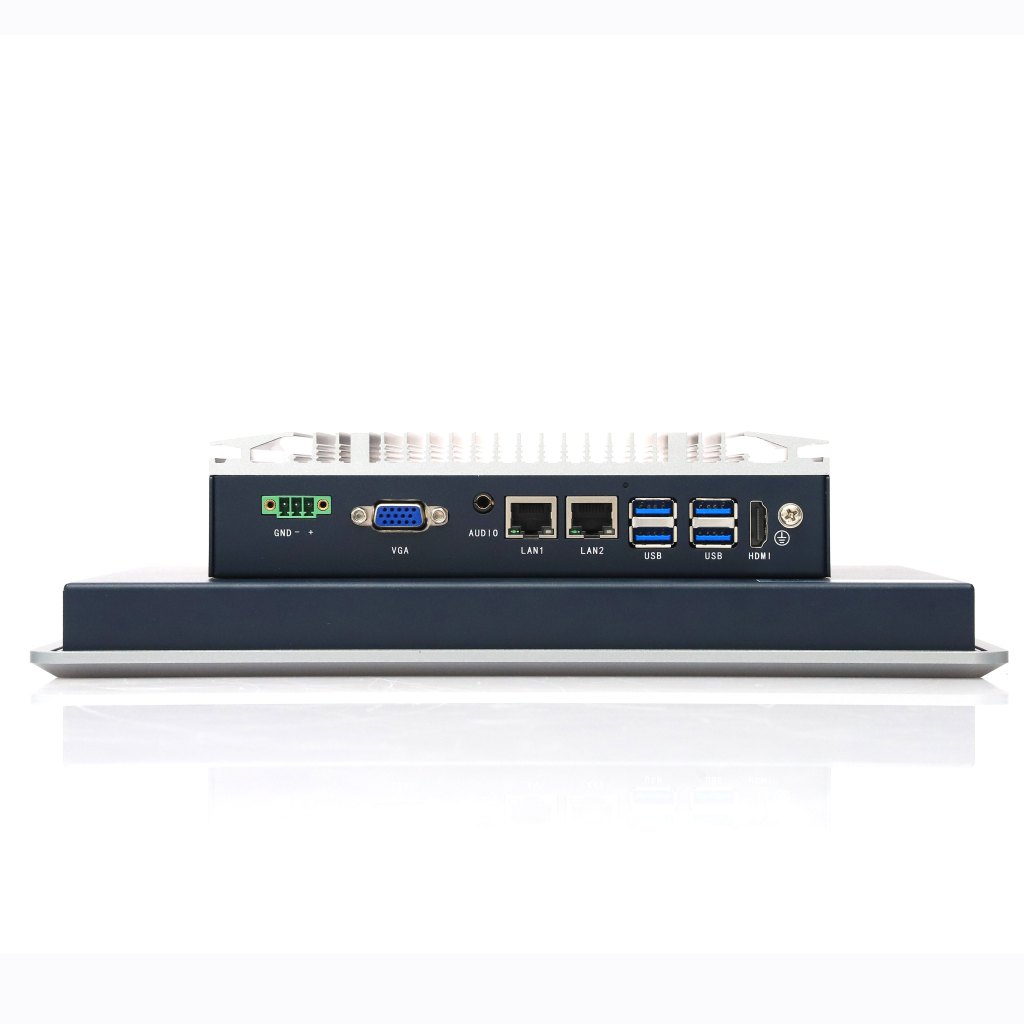
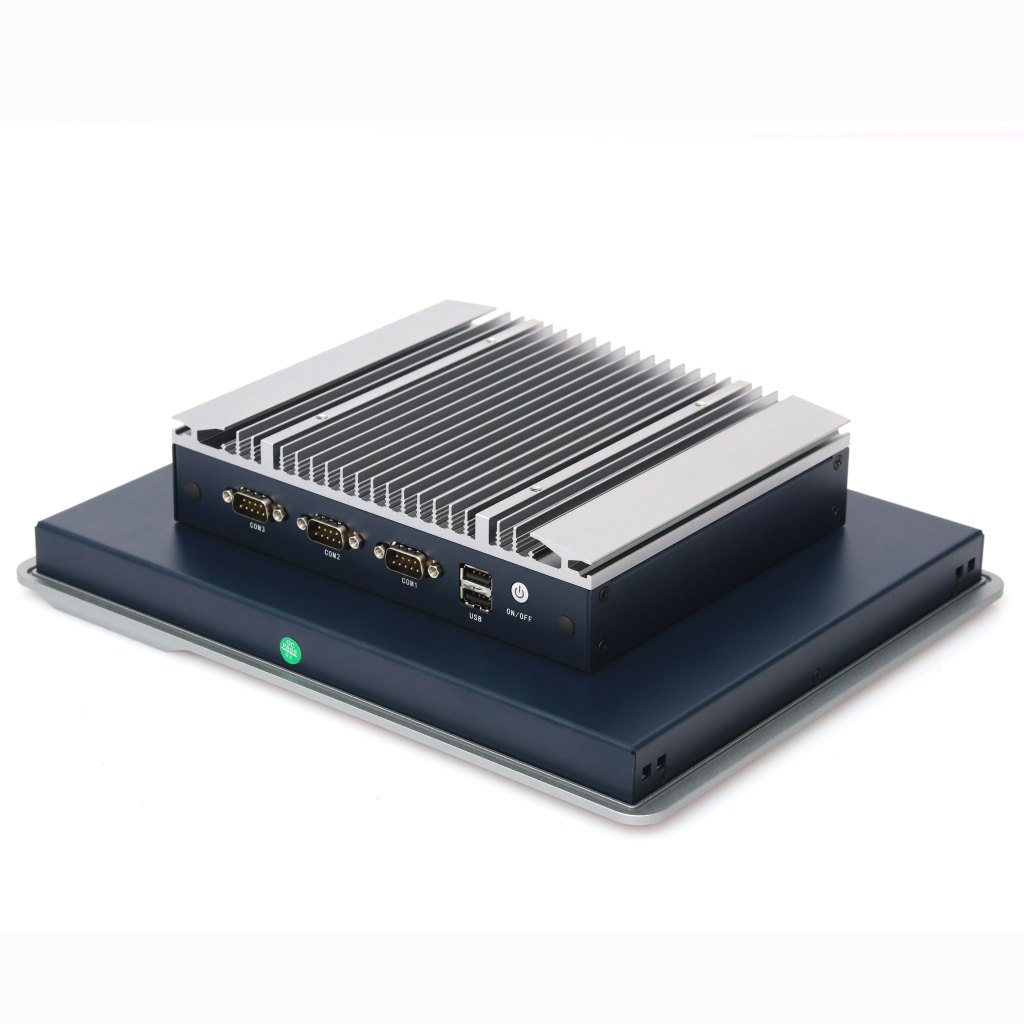
Industrial-Grade Design for Sulfurized Environments
The EPC-S1221B is designed not merely to meet specifications, but to withstand real operating conditions:
- Suitable for 24/7 continuous operation
- Stable performance in high-sulfur, corrosive gas environments
- Fully compatible with existing control cabinets and embedded mounting
- Reduces unplanned downtime and frequent device replacement
Typical Application Scenarios and Delivered Value
Petrochemical and Chemical Sulfurized Workshops
- HMI terminals for parameter configuration and process monitoring
- Substantially reduced touch and front-panel failure rates
Chemical Industrial Parks and Centralized Control Systems
- Long-term stable operation with reduced maintenance frequency
- Improved total cost of ownership over the equipment lifecycle
Replacement of Frequently Failing Panel PCs
- Targeted upgrades for environments where standard devices fail repeatedly
- Effective alternative to generic industrial or commercial PCs
Customer Results: From Repeated Failures to Long-Term Stability
After deploying the EPC-S1221B on customer sites:
- Touch failures were significantly reduced
- Embedded mounting structures remained stable over time
- Power-related failures declined markedly
The solution received very positive feedback, leading customers to gradually deploy the system across additional chemical production areas.
Customization and Project-Level Support
Different chemical facilities face different environmental challenges. For this reason, the EPC-S1221B is offered as a customizable platform, not a one-size-fits-all product:
- Environmental protection and material customization options
- Flexible configuration for interfaces, mounting, and system platforms
- Suitable for petrochemical projects, OEM programs, and system integrators
- Long-term supply assurance and engineering-level technical support
In petrochemical and chemical industries, true reliability is defined not by specifications, but by environmental understanding.
The EPC-S1221B was developed to directly address real sulfur-related failure mechanisms observed in the field.
It is not simply a more expensive Panel PC—it is an industrial terminal designed to survive and operate reliably in sulfurized environments.
Contact CESIPC Team

