
With the rapid development of machine vision technology, the demand for efficient and precise image processing in the medical industry is growing significantly. Particularly in fields such as medical imaging, automated detection, and surgical assistance, the simultaneous use of multiple cameras for image acquisition, real-time processing, and analysis has become a common application scenario. Multi-port industrial computers, by providing multiple network interfaces, can connect to multiple camera devices simultaneously, enabling efficient collection, transmission, and processing of image data.
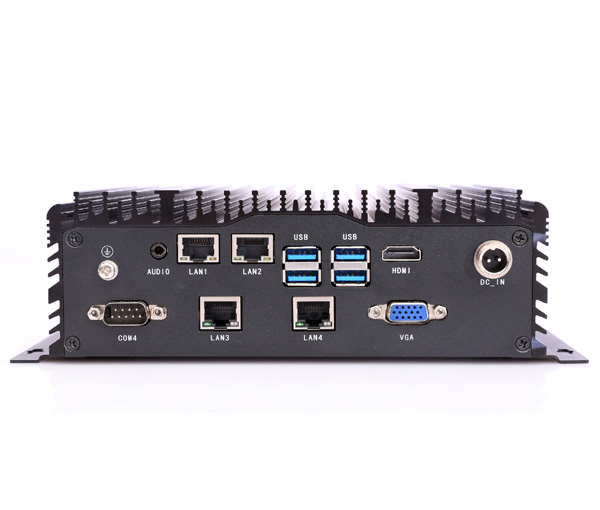
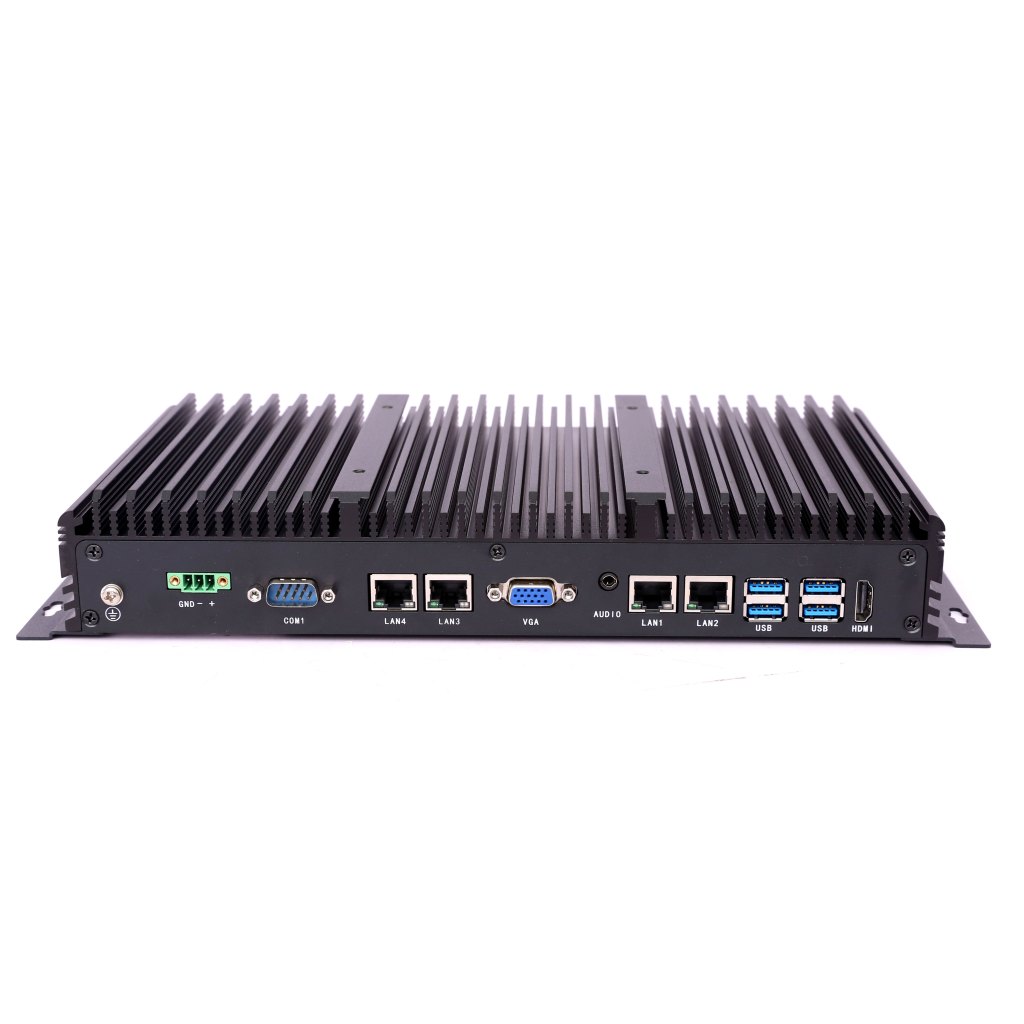
With four Lan ports IPC or even more network ports used for medical industry:
1. Background: The Medical Industry’s Demand for Image Processing
- Rapid Advancement of Machine Vision Technology: Machine vision technology has made remarkable progress in recent years, especially in areas such as image acquisition, processing, and analysis. These technological advancements have provided the medical industry with new tools and methods to enhance the efficiency and accuracy of diagnosis and treatment.
- Medical Industry Requirements: The medical industry’s demand for image processing primarily focuses on areas such as medical imaging, automated detection, and surgical assistance. These fields often require handling large volumes of image data with high demands for real-time performance, precision, and reliability.
2. Multi-Camera Simultaneous Operation Scenarios
- Multiple Cameras for Simultaneous Image Acquisition: In medical applications, it is often necessary to use multiple cameras simultaneously for image acquisition. For example, in surgical assistance systems, real-time images from multiple perspectives may be required to help doctors perform precise operations. In automated detection, multiple cameras can capture lesion areas from different angles, improving detection accuracy.
- Real-Time Processing and Analysis: The acquired image data needs to be processed and analyzed in real time to enable quick decision-making. For instance, in medical imaging, real-time processing can help doctors quickly identify lesion areas, while in surgical assistance, real-time analysis can assist doctors in adjusting surgical plans.
3. Advantages of Multi-Port Industrial Computers
- Multiple Network Interfaces: Multi-port industrial computers are equipped with multiple network interfaces, allowing them to connect to multiple camera devices simultaneously. This design enables the industrial computer to efficiently receive image data from multiple cameras, avoiding data transmission bottlenecks.
- Efficient Collection, Transmission, and Processing: With multiple network interfaces, the industrial computer can process data streams from multiple cameras in parallel, ensuring efficient collection, transmission, and processing of image data. This is particularly critical for medical applications requiring real-time processing, significantly improving system responsiveness and overall performance.
4. Application Scenarios
- Medical Imaging: In the field of medical imaging, multi-port industrial computers can simultaneously connect to multiple imaging devices (such as CT, MRI, ultrasound, etc.), enabling real-time processing and integration of multi-modal imaging data to assist doctors in making more comprehensive diagnoses.
- Automated Detection: In automated detection, multi-port industrial computers can connect to multiple high-resolution cameras to capture lesion areas from different angles and quickly identify abnormalities through real-time image processing algorithms.
- Surgical Assistance: In surgical assistance systems, multi-port industrial computers can connect to multiple endoscopes or cameras, providing real-time images from multiple perspectives to help doctors perform precise surgical operations.
5. Conclusion
Multi-port industrial computers play a crucial role in image processing within the medical industry, especially in scenarios requiring simultaneous operation of multiple cameras. By providing multiple network interfaces, these computers can efficiently collect, transmit, and process image data, meeting the medical industry’s high demands for real-time performance, precision, and reliability. This technology not only enhances the efficiency of medical diagnosis and treatment but also provides strong support for applications such as surgical assistance and automated detection.
6. Future Outlook
With the further development of machine vision technology and medical needs, the application prospects of multi-port industrial computers in the medical industry will continue to expand. In the future, with the integration of technologies such as 5G and AI, multi-port industrial computers are expected to play an even greater role in areas such as telemedicine and intelligent diagnosis, driving the digital transformation of the medical industry.
