
Factors Affecting the Reliability of Industrial PCs


The reliability of industrial computers: industrial panel pc or industrial pc is influenced by multiple factors, including hardware, software, environmental conditions, design, and maintenance.

1. Hardware Factors
- Industrial PC’s Component Quality
- The lifespan and anti-interference capability of industrial-grade chips, capacitors, and connectors directly impact reliability (e.g., commercial-grade vs. industrial-grade components).
- Redundant design of critical parts (e.g., power modules, cooling fans) reduces failure risks.
- Mechanical Design
- Shockproof, dustproof, and corrosion-resistant designs (e.g., fanless cooling, IP-rated enclosures).
- Reinforced interfaces (e.g., aviation connectors, board-locking mechanisms) prevent loosening.
- Thermal Management
- Overheating is a major cause of electronic failures; heat dissipation solutions (heat sinks, airflow design, or liquid cooling) are crucial.
2. Software Factors
- Industrial panel PC’s OS Stability
- Real-time operating systems (RTOS, e.g., VxWorks, QNX) are more reliable than general-purpose OS (e.g., Windows) due to lower latency.
- Avoid software bloat and memory leaks.
- Anti-Interference Measures
- Watchdog timers prevent system freezes.
- Data verification (e.g., CRC checks) ensures communication reliability.
- Cybersecurity
- Networked industrial PCs require protection against malware (e.g., firewalls, whitelisting).
3. Environmental Factors
- Temperature & Humidity
- Extreme temperatures (-40°C to 70°C) or high humidity may cause component failure; sealed enclosures and thermal regulation are essential.
- Electromagnetic Interference (EMI)
- Motors and inverters in factories generate EMI; shielding (metal casings, filtered circuits) is required.
- Dust & Corrosion
- Harsh environments (e.g., chemical plants, mines) demand dustproof and anti-corrosion measures (e.g., coated PCBs, stainless steel housings).
- Vibration & Shock
- Vehicles and ships need shock-absorbing mounts and SSDs to prevent mechanical damage.
4. Power & Electrical Factors
- Power Supply Stability
- Voltage fluctuations, surges, or outages can damage systems; industrial-grade PSUs (wide input range: 12–36V) and UPS backups are critical.
- Grounding & Isolation
- Proper grounding reduces static and noise; optocouplers isolate signal circuits for protection.
5. Design & Maintenance Factors
- Industrial panel pc Modular Design
- Hot-swappable components (e.g., CPU cards, I/O modules) minimize downtime.
- Maintainability
- Remote monitoring and predictive maintenance (e.g., IoT platforms) detect issues early.
- Regular cleaning and part replacement (e.g., aging capacitors) extend lifespan.
- Standardization & Compatibility
- Compliance with industrial standards (e.g., IEC 61000 for EMI immunity) ensures reliability.
6. Human Factors
- Operation Errors
- Improper actions (e.g., forced shutdowns) may cause data loss or hardware damage; training and access controls are necessary.
- Installation Issues
- Poor installation (e.g., blocked ventilation, loose cables) can lead to failures.
Key Strategies to Enhance Reliability
- Use Industrial-Grade Hardware (wide-temperature components, redundancy).
- Improve Environmental Resistance (cooling, dustproofing, EMI shielding).
- Optimize Software (RTOS, self-recovery mechanisms).
- Standardize Maintenance (scheduled checks, remote diagnostics).
- Rigorous Testing (thermal cycling, EMC tests).
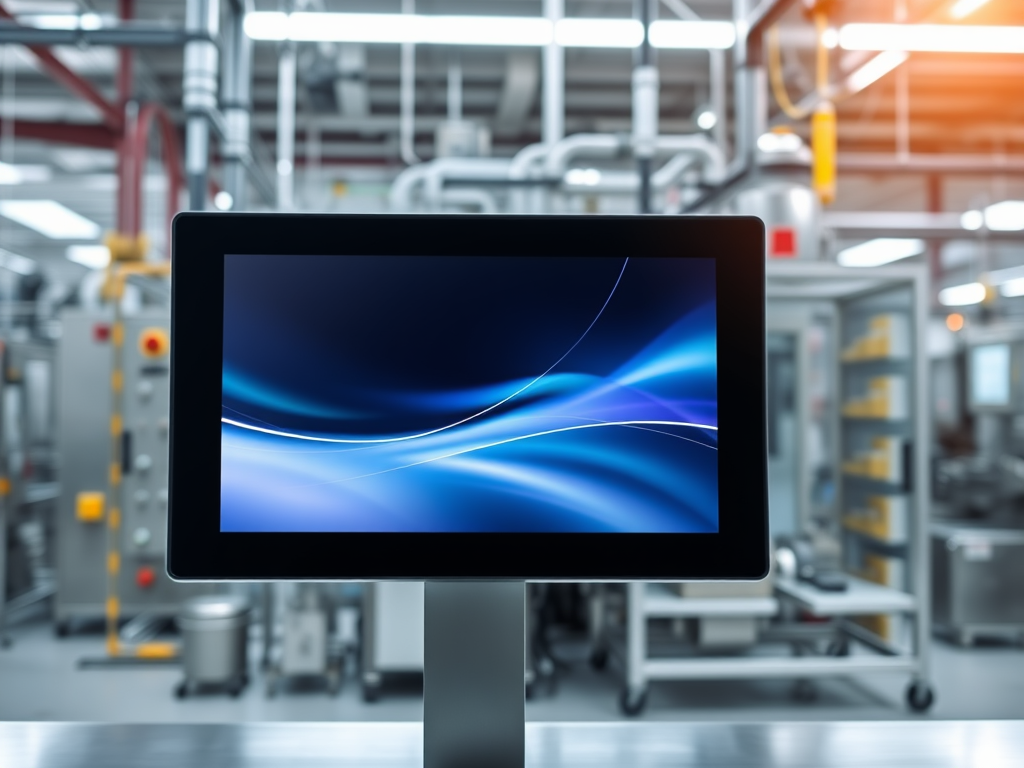
Choose your favorite and reliable industrial pcs here:
please contact: http://www.cesipc.com
Industrial computer reliability is a systematic challenge requiring end-to-end optimization—from design to operation—to meet the demands of harsh industrial environments.